
2026 Ranking · South America and Latin America

Compare the bestzoos in Latin America

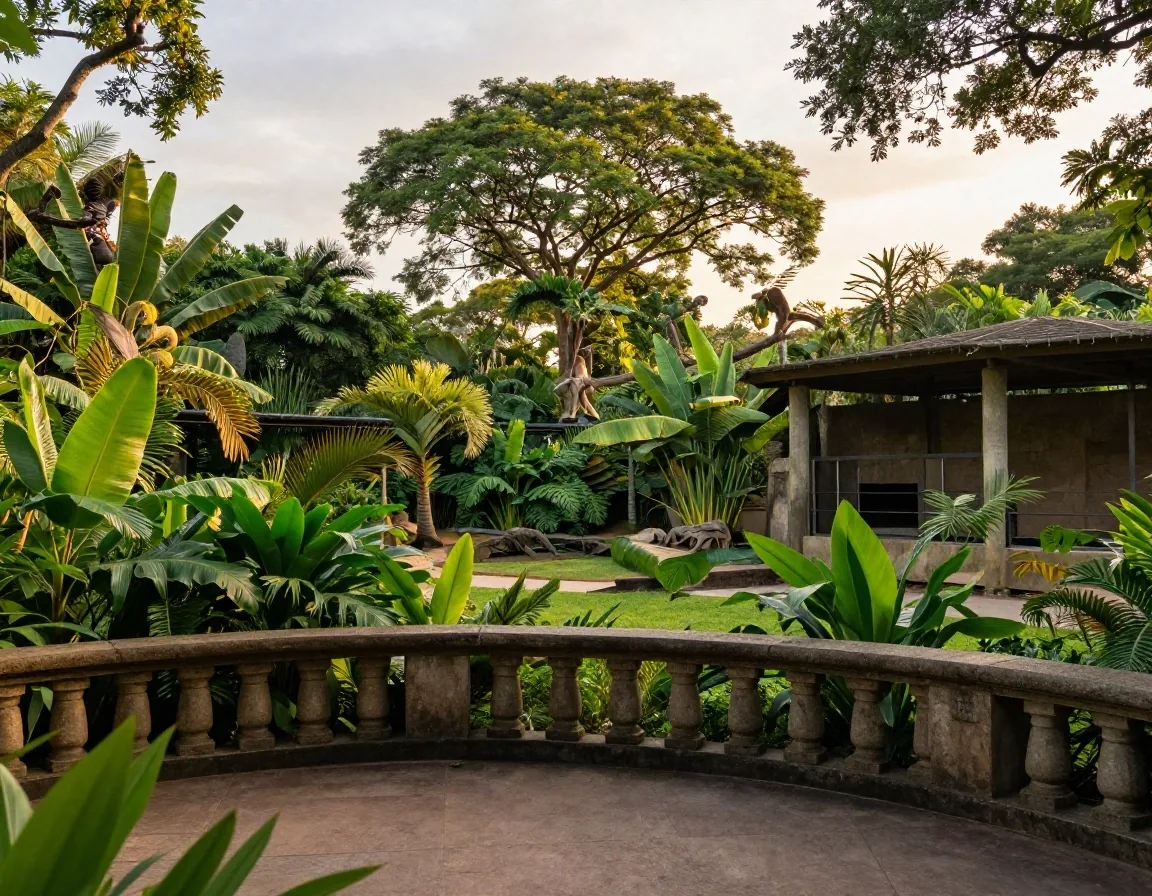
Jaguar resting in the shade in a stone enclosure

This ranking orders the most relevant zoos in the region by criteria useful to visitors. It does not measure size alone. It weighs family tours, education, services, and conservation signs. Use it to compare two or three options before opening each full review.

We update positions when there are verified changes. If you are looking for the best zoo in South America for your profile, start with available time, walking distance, and shade.

Go to the comparison table

8-minute read · Reviewed in September 2026

Tour, compare, conserve — the living atlas of zoos

Fact sheets with location, type of visit, and strengths

Orientation

How to read this ranking

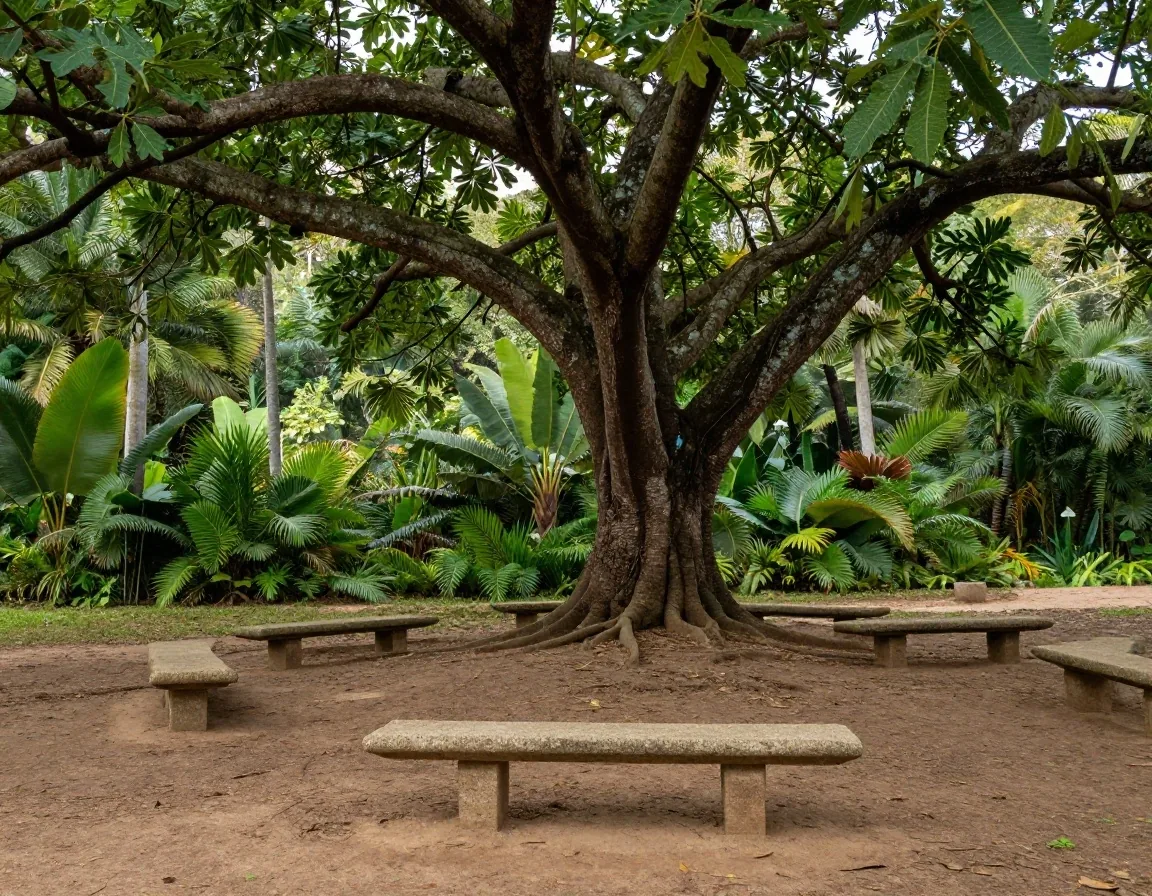
Each park has a fact sheet with location, type of visit, and strengths. Pay attention to estimated time, walking distance, and shade level. A large park is not always better for small children.

Sometimes a compact tour near Santiago is more productive than a long trip. Read the limitations column carefully. That is where the real differences are that decide if the day works in heat, rain, or with a stroller.

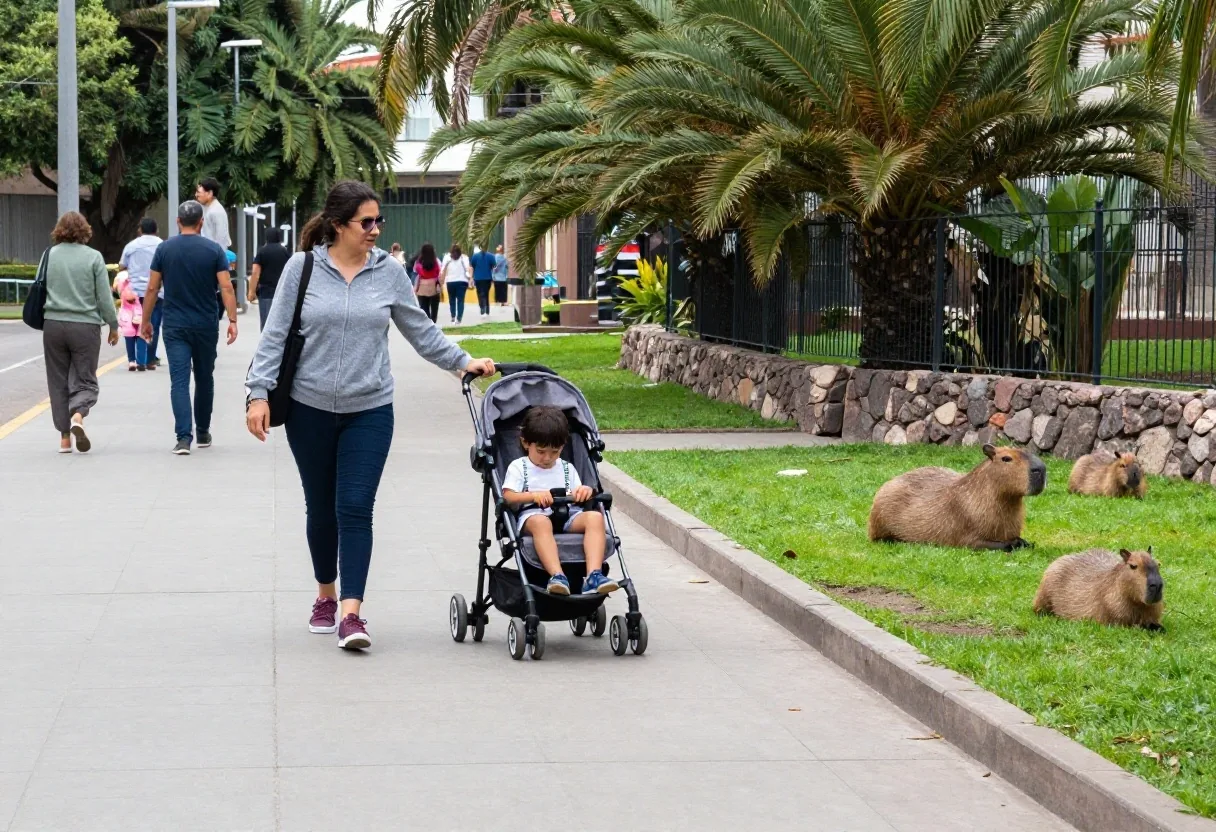
Family walking along a shaded path inside the zoo

Time and distance

Measure the day in hours on foot

Check estimated duration and elevation gain. The extensive parks in Brazil require five hours and comfortable shoes. Urban ones can be done in half a day.

Zookeeper checking a file next to an enclosure

Services that matter

Shade, water, and re-entry

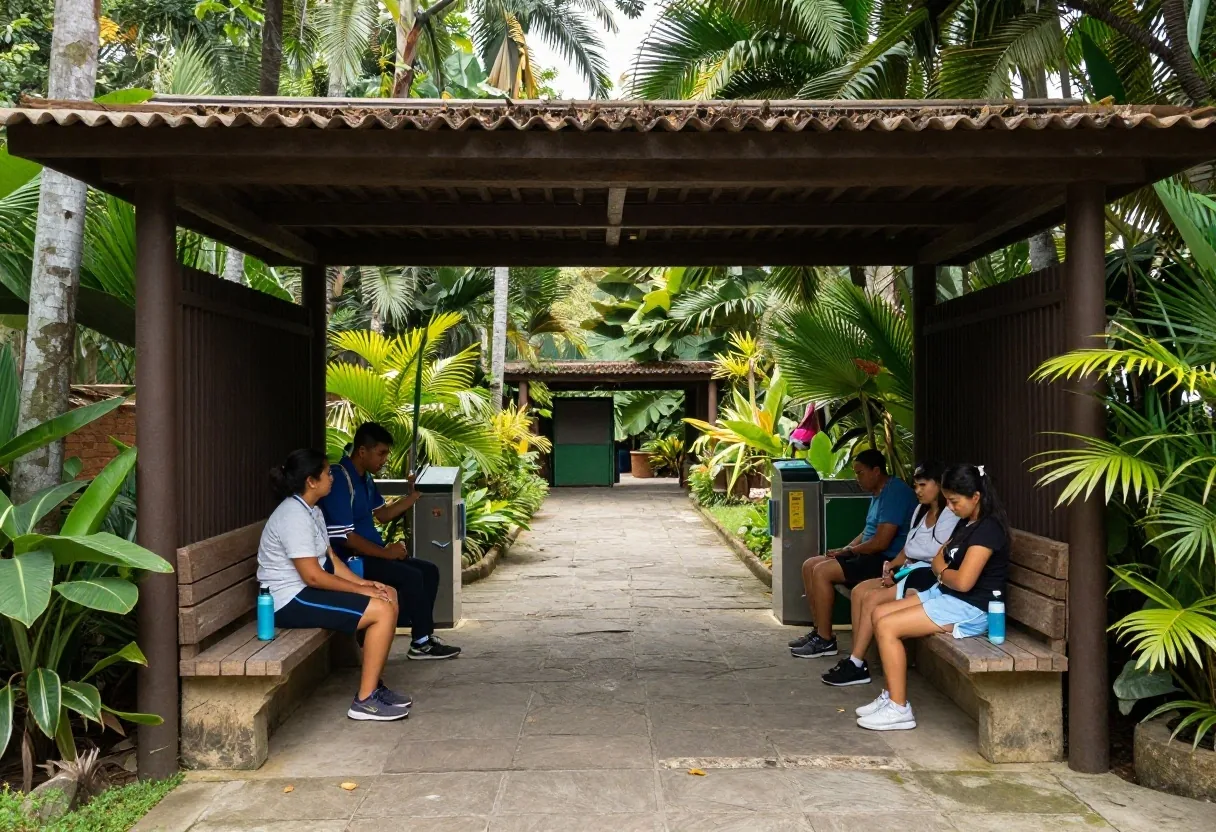
Shade during peak hours, water points, stroller rentals, and re-entry permits change the visit more than an extra species.

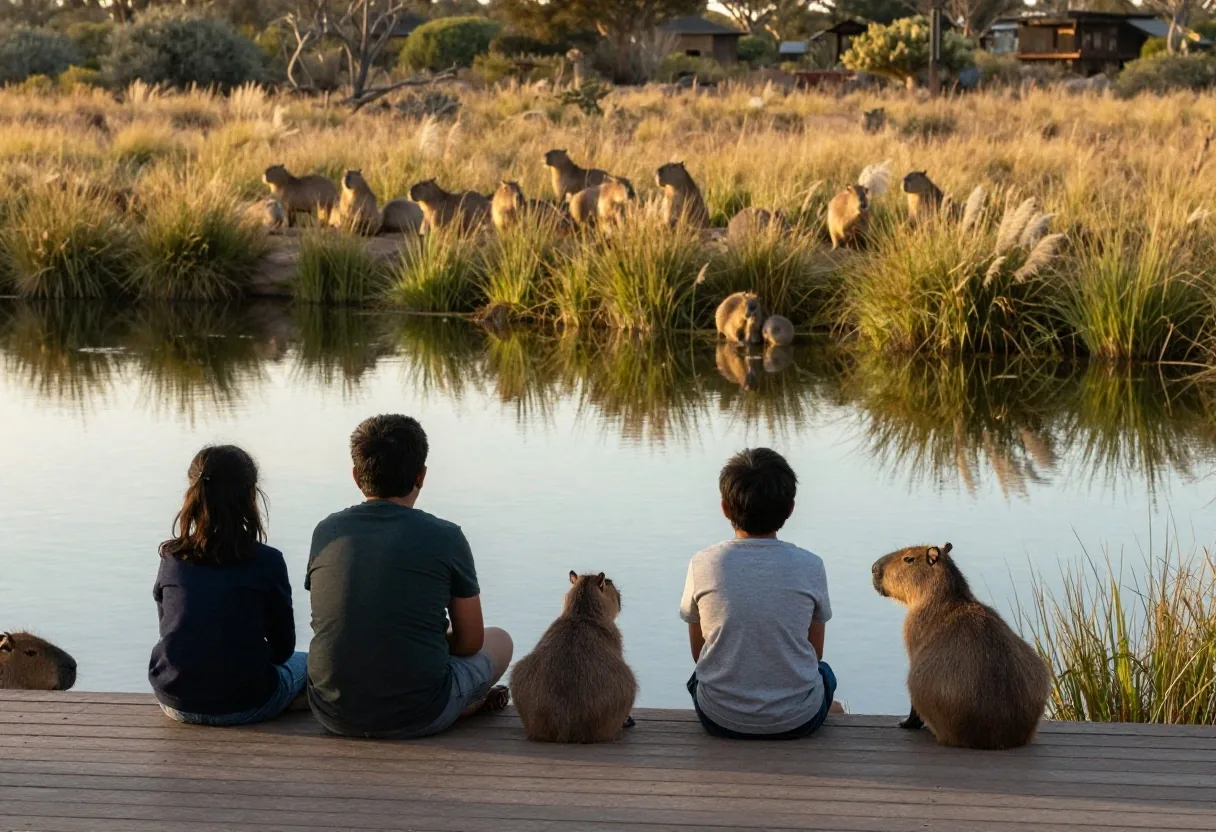
Children observing capybaras from a wooden walkway

Limitations

Read what is not in the photos

Sectors closed for maintenance in winter, slopes for wheelchairs, and presentations only in high season. Everything is dated on the fact sheet.

Regional overview

The parks leading the region

Buin Zoo in Chile and Temaiken in Argentina usually lead due to their combination of variety, education, and services. The São Paulo Zoo stands out for its volume of species and extensive green areas. In Mexico and Colombia, there are highly visited urban parks with good weekend offerings.

View review index
Family path next to a flamingo lagoon

Chile · Half day from Santiago

Buin Zoo, a family outing that pays off

Clear paths, simple logistics, and a good combination of fauna and education. Ideal for a first visit with small children or an afternoon without an overnight stay.

Strong in: compact tour · services · transport

Read Buin Zoo review
Most requested comparison

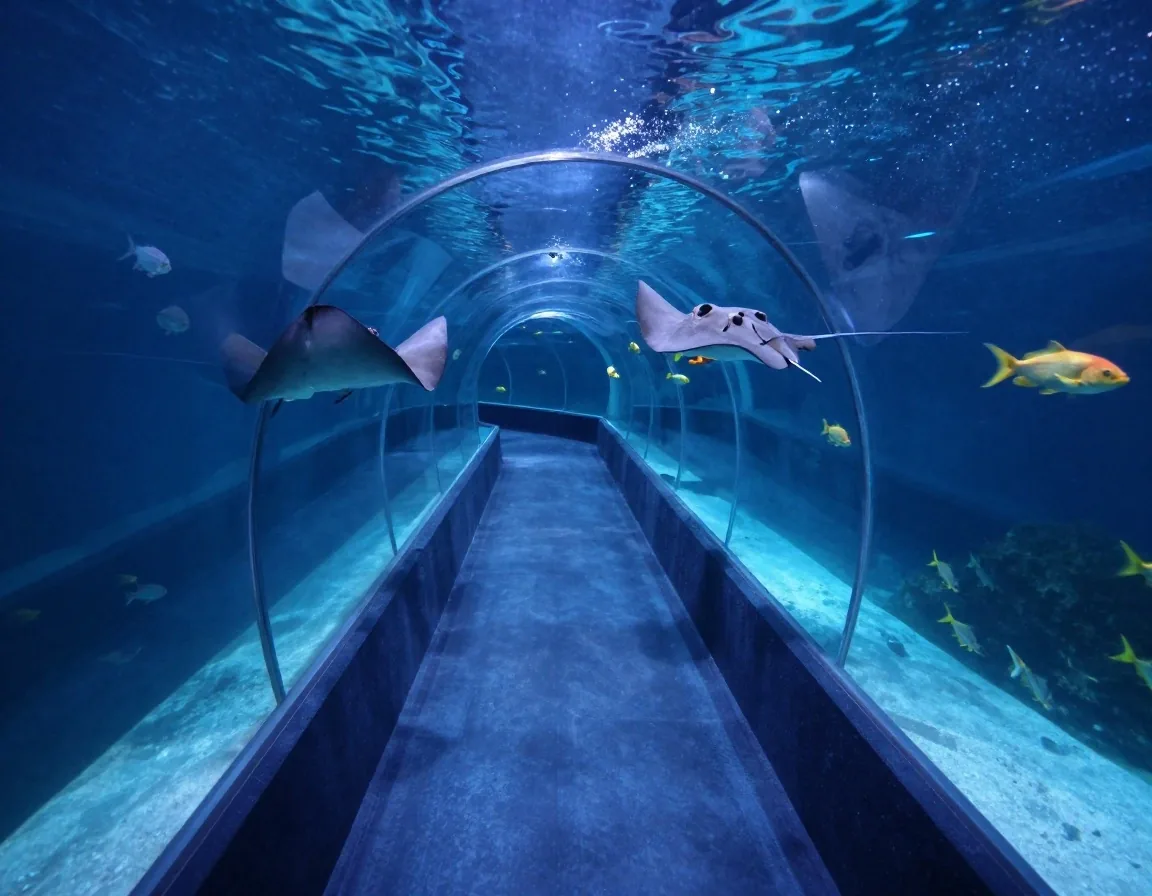
Aquarium and immersive themed environments

Argentina · Full day from Buenos Aires

Temaiken, immersion and photography

Themed environments and an aquarium that require a full day without rushing. Best option if you are looking for photography and a leisurely tour through biomes.

Strong in: immersion · aquarium · education

Read Temaiken review
Tree-lined avenue in an extensive zoo park

Brazil · Extensive day

São Paulo, volume and green

Large collection and green areas that require a plan: at least five hours, water, and prioritization of sectors if you are short on time.

Strong in: diversity · urban forest · walking

View review index

The order may vary by season. The important thing is to compare by your profile and check the linked reviews for details on transport and schedules.

Buin Zoo vs Temaiken

Head to head, no easy tie

It is the most requested comparison by our readers. Buin Zoo can be toured in half a day from Santiago, with clear paths and good family logistics. Temaiken requires a full day from Buenos Aires, with themed environments and an aquarium.

If you are looking for a short outing, Buin performs better. If you are looking for immersion and photography, Temaiken contributes more. Both reviews detail transport and schedules so you don't have to improvise your trip.

Buin Zoo

  • A well-spent half day, ideal for small children and strollers.
  • Direct access from Santiago and simple signage so you don't get lost.
  • Less thematic immersion; avoid weekend peak hours.

Temaiken

  • Full day with aquarium, aviaries, and areas for leisurely photography.
  • Environmental education highlighted in every environment.
  • Requires planning for transport and food; it is not a short getaway.

To compare zoos between countries, first define the group's energy and the weather. The correct format matters more than the size.

Half day in the city

Full immersive day

Aquariums for rain

Shaded paths

Half day in the city

Full immersive day

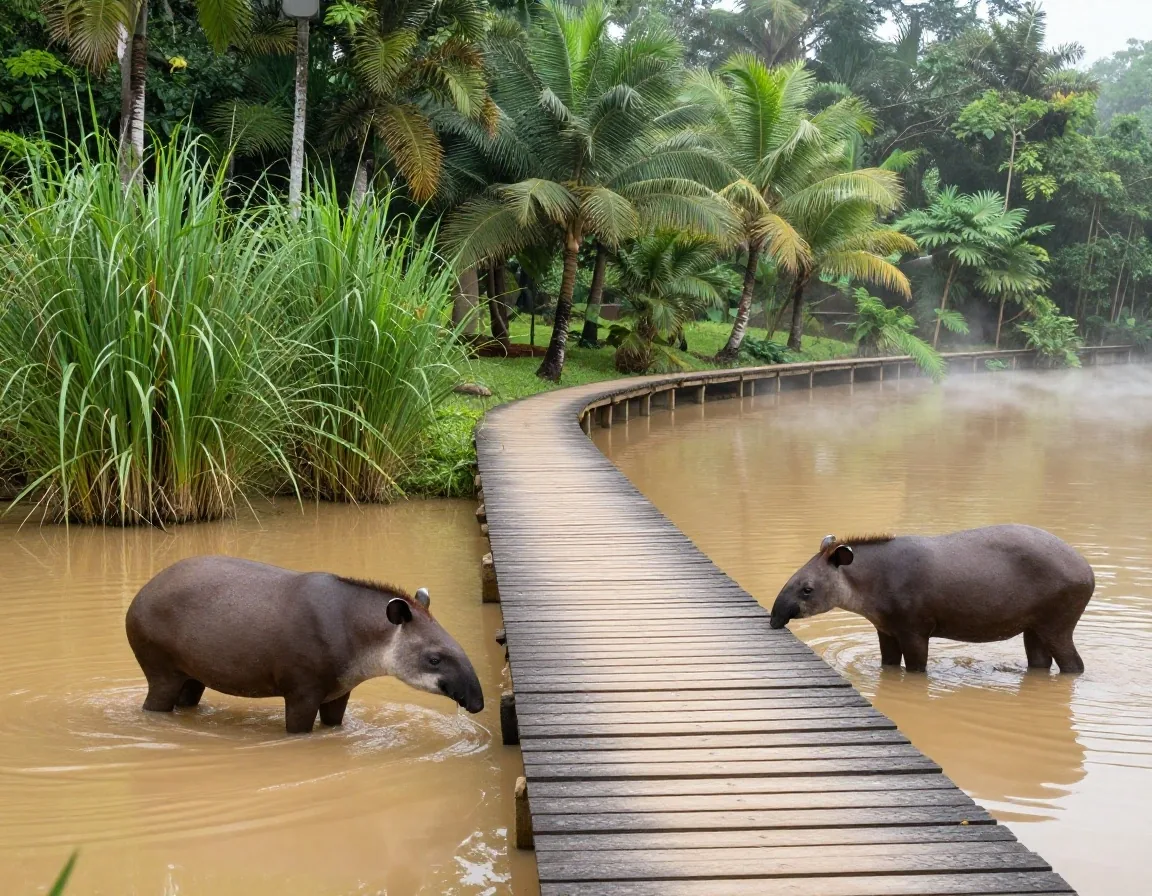
Tapir by the river with a wooden walkway

Riverbank and mud: that is how you walk through the extensive parks in Brazil.

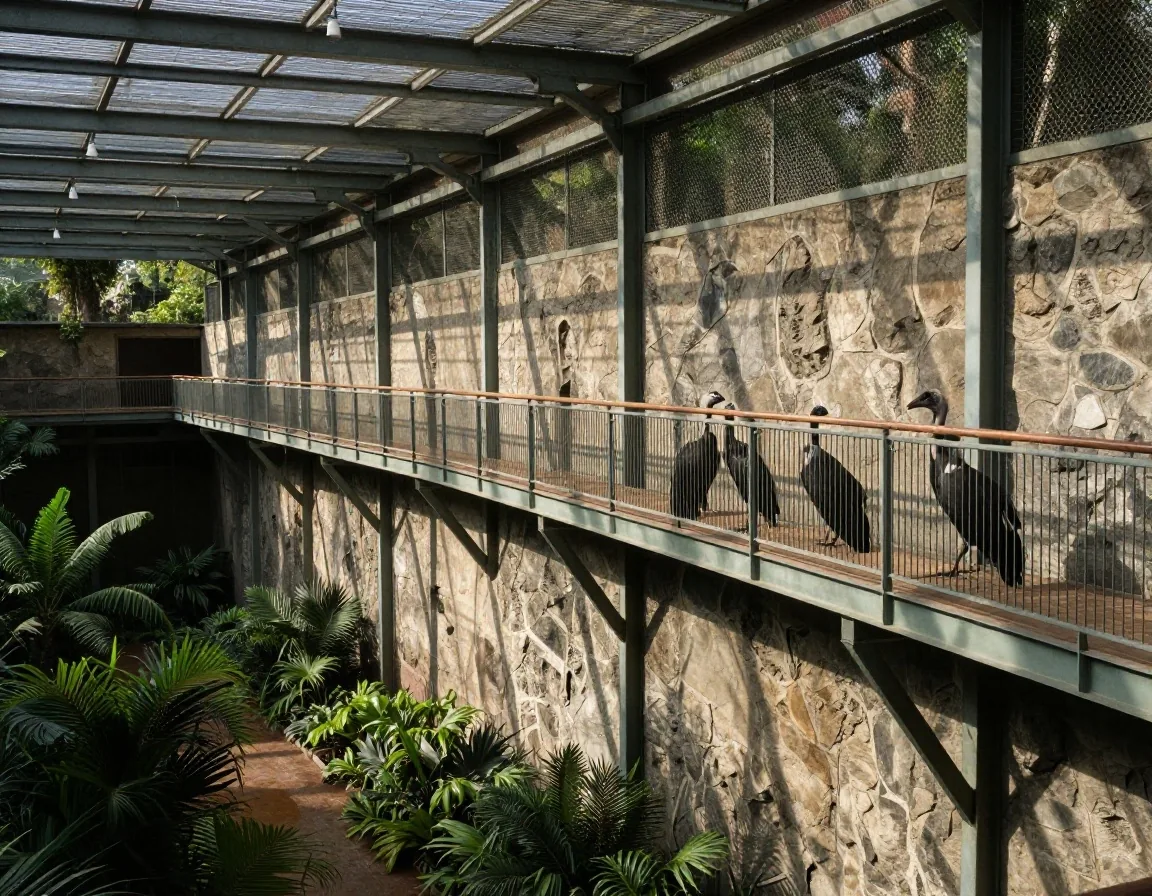
Condor on a basalt perch in an aviary

Tall aviaries: prioritize these sectors if you are short on time.

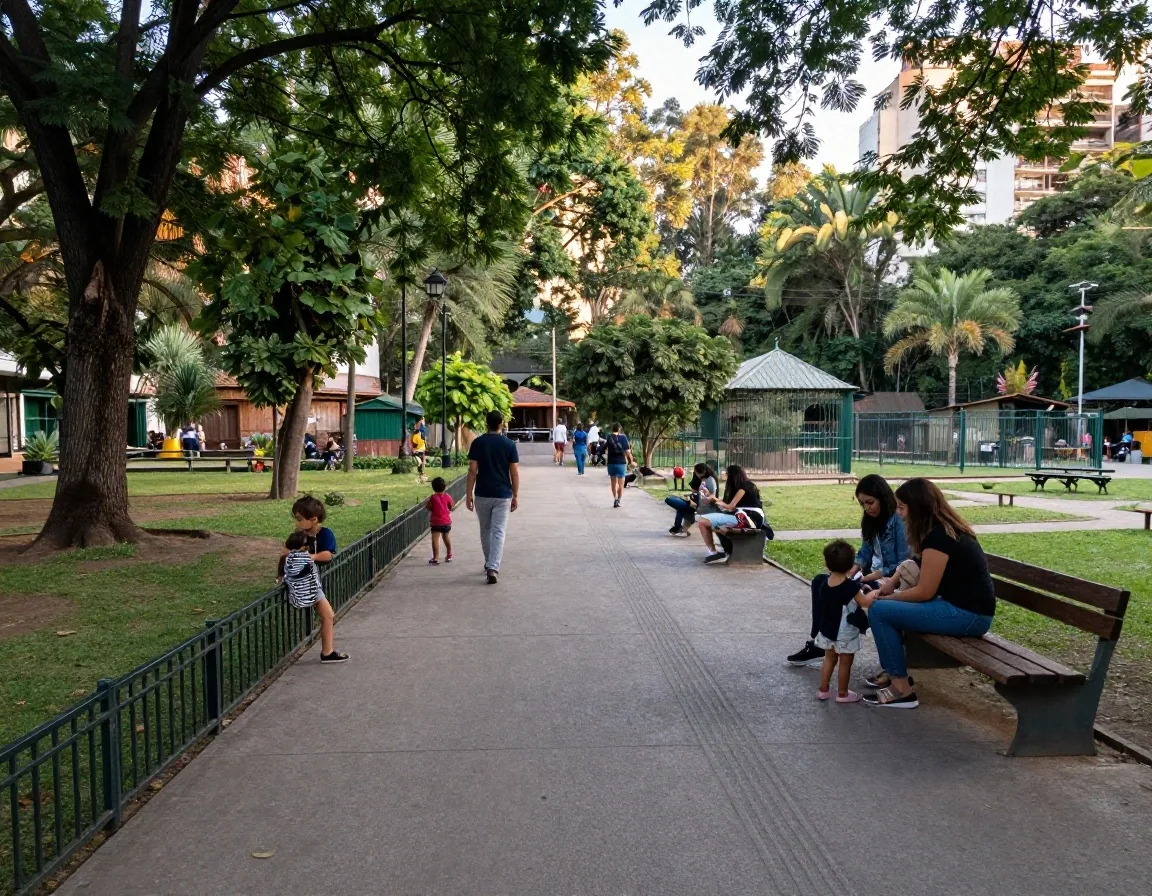
Urban zoo plaza with families on a weekend

Urban parks: well-connected half-day outings by bus.

Brazil and Mexico

Large parks that require legs and a plan

Brazil concentrates extensive parks that require comfortable footwear and at least five hours. Bring water, because the distances between sectors are long and shade is not always available.

In Mexico, several parks combine a zoo with play areas and seasonal educational shows. Check the calendar before going during holidays. Our fact sheets indicate which sectors to prioritize when short on time. This avoids walks without reward.

Peru and Colombia

Urban parks for well-measured afternoons

In Lima and Bogotá, urban zoos are well-connected half-day outings by bus. They usually have good signage but less shade during midday hours.

Arrive early and start with the most popular enclosures. Check if there are school activities during the week. They can fill certain time slots. The reviews note those nuances by location.

Without opening ten tabs

Quick comparison table

To compare without opening ten tabs, look at four data points: estimated time, public transport access, accessibility, and indoor offerings for rain or heat. Also note if re-entry is allowed and if they rent strollers for children.

Park and profile Estimated time Access and walking Indoor and re-entry
Buin ZooCompact family-friendly · Santiago Half day, flat paths Bus + short transfer; short distances between sectors Areas with partial shade; confirm re-entry and strollers in the fact sheet
TemaikenImmersive biopark · Buenos Aires Full day, leisurely pace Scheduled transfer; long walk with frequent benches Indoor aquarium ideal for rain or extreme heat
São PauloExtensive green space · Brazil Five hours or more Long stretches; prioritize two sectors if you are short on time Bring water; check for sectors closed for maintenance
Urban Lima and BogotáHalf day · Peru and Colombia Half day, early arrival Well-connected by bus; less shade at midday Aviaries and indoor rooms for the hottest hours

Those details decide the day. The fact sheets bring them to the beginning. Use that first screen to filter and delve deeper only into two finalists.

Open method

Criteria we apply

We evaluate visible welfare, education, condition of paths, services, and conservation with the names of programs. We do not use secret scores. We describe what we saw and when.

Welfare and enclosures

Space, shade, clean water, and management signs. If a park improves enclosures or adds a rescue center, it moves up in the ranking.

Education and paths

Clear signage, seasonal activities, and maintained paths with benches. If it cuts hours or services, it goes down.

Dated conservation

Programs with names and date of visit. Everything is recorded. The pageAbout usexplains the full method.

Limitations you should know

No park is perfect all year round. Some close sectors for maintenance in winter. Others reduce educational presentations outside of high season. There are steep slopes for wheelchairs in certain sections.

We point it out when we verify it. If you are traveling with elderly people, choose short routes with frequent benches. That information is in each review.

See guide to plan your visit

When each type of park is convenient

  • Immersive bioparks for full days without rushing.
  • Compact zoos for family afternoons and first visits with small children.
  • Aquariums and aviaries for days of rain or extreme heat.
  • Short safaris for those who already know the classic format.

Choose according to the group's energy and the weather. Changing the type of visit renews the perspective.

Transparency

How we keep updating

We review this ranking every quarter and after summer and winter holidays. We do not sell positions. TheZooscope is an independent editorial site that compares to help you plan.

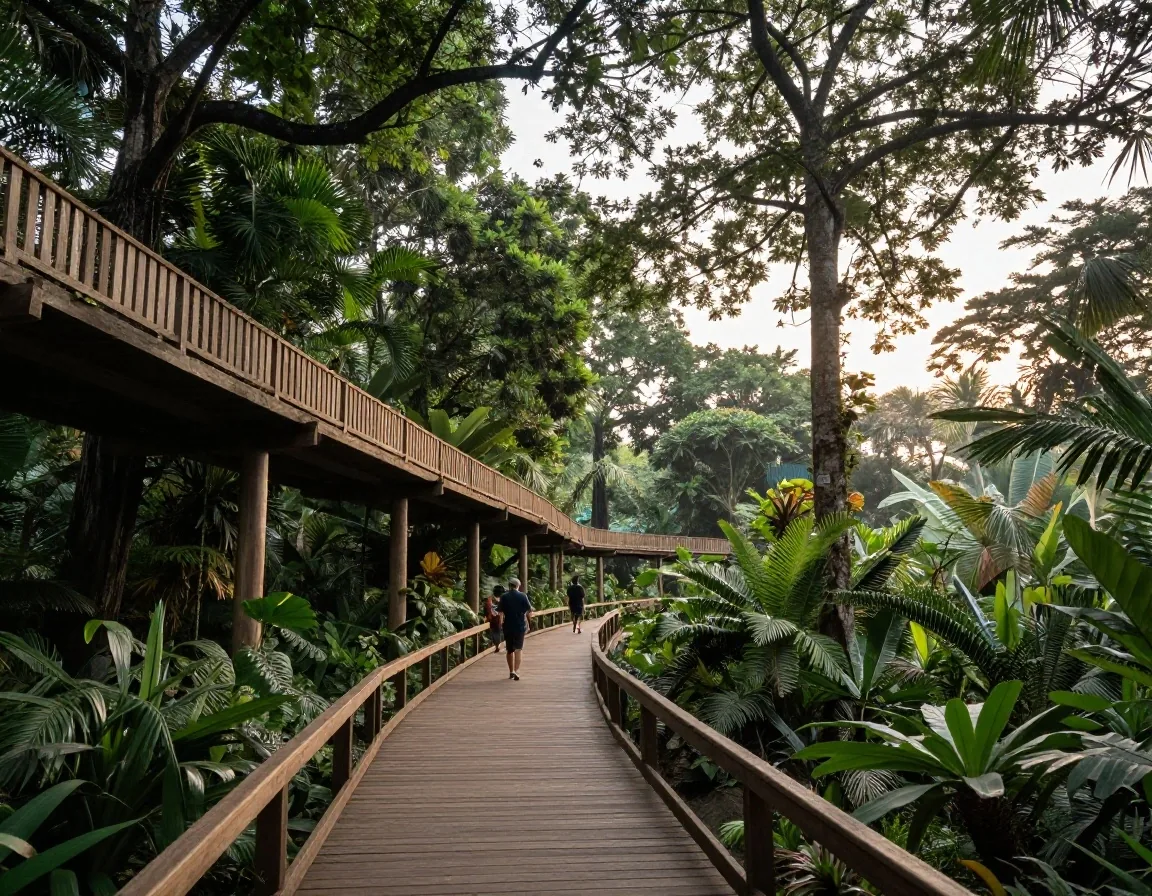
Elevated walkway between trees with visitors
How often do the positions change?

Every quarter and after summer and winter holidays. If a park opens an exhibit or changes hours, we adjust the fact sheet and the review date so you know what changed.

Can I report a change at a zoo?

Yes. If you detect a change with an official source, write to us via Contact. We verify and correct it. This way, the ranking remains useful for planning.

Why doesn't a large park always win?

Because we weigh the family route, shade, services, and education in addition to size. A compact route near Santiago can perform better for small children than a long trip with a lot of walking.

Where is the detail by park?

In the full reviews, with transport, schedules, and limitations by location. Start with Buin Zoo and Temaiken and then filter by your type of visit.

Trace your route: compare two finalists and open their review

Choose by time, shade, and group energy. Then delve deeper into only two fact sheets with verified transport and schedules.

See review index Start with Buin Zoo

TheZooscope · Av. General Bernardo O'Higgins 1234, Santiago