TheZooscope · Practical guide for families

Organize your visitto the zoo as a family

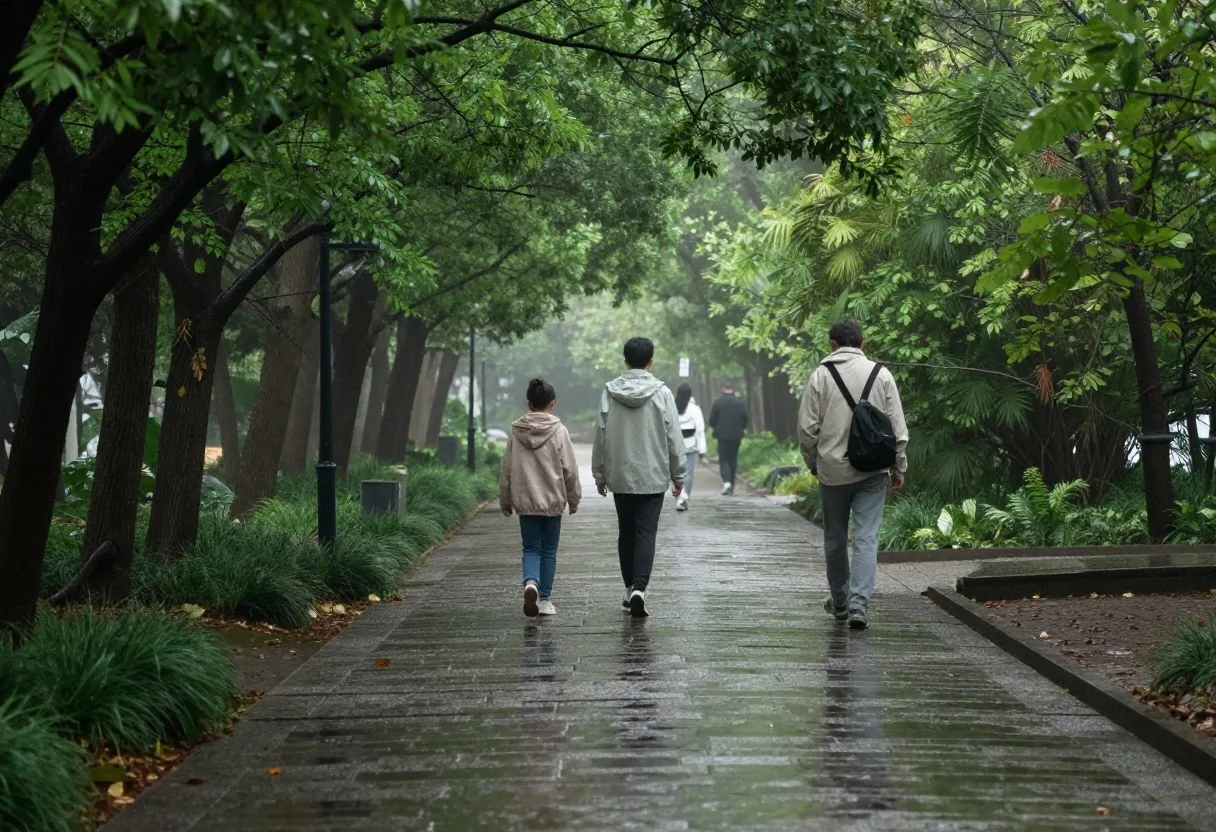
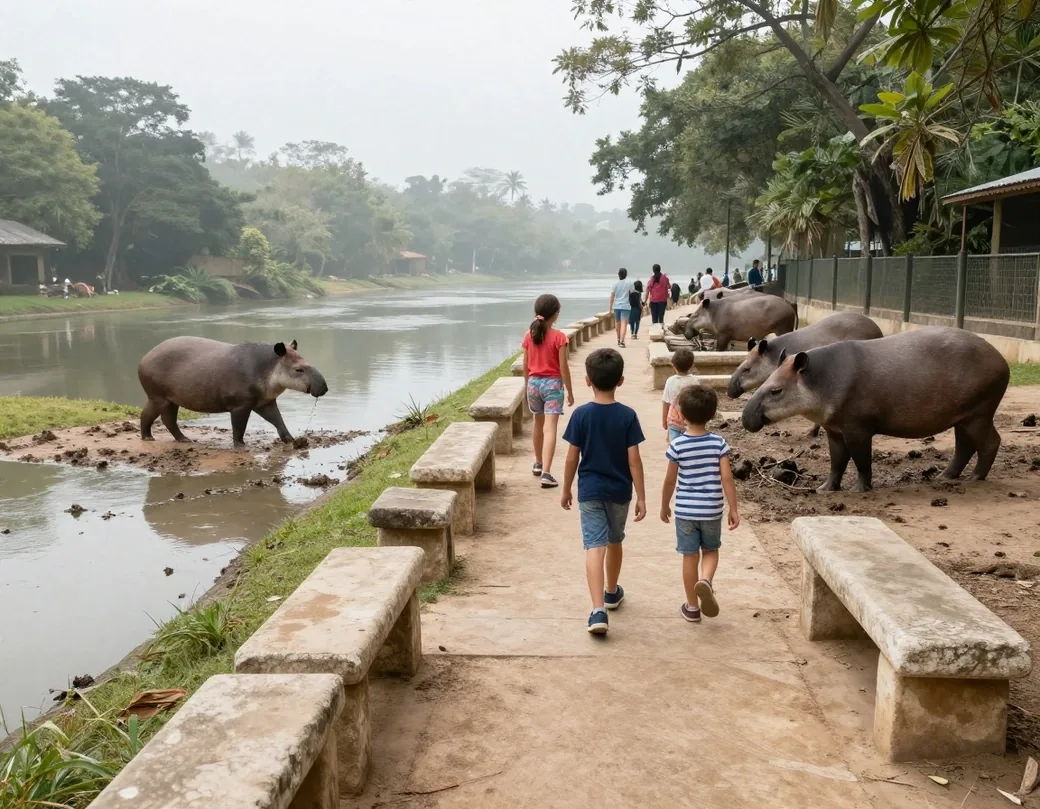
Family walking along a shaded path next to the tapir enclosure

Visiting a zoo is more rewarding with a little planning. This guide summarizes how to choose a date, time, transportation, and backpack for parks in Chile and the region. These are practical tips, without exaggerated promises. Apply them and the day will flow better.

How to visit the zoo with kids: tickets, hours, what to bring, and how to get around without crossing the park twice.

Arrive at opening · Mark two sectors · Save tickets offline

Tips for Buin Zoo, Temaiken, and large parks

Where to start

A five-minute plan organizes the whole day

Without a plan, you end up crossing the park twice with tired kids and lines where you shouldn't be. With a plan, you take advantage of the first two quiet hours, eat without waiting, and save energy for the return trip. This guide is designed for family visits with children and adults, in large parks where distances are noticeable.

The night before, check the park's official website: seasonal hours, last entry, if they require date-specific purchases, and which seasonal shows are included or paid separately. Save receipts offline and with battery. If you are going in a school group from the Metropolitan Region, confirm entry policies before leaving. Arriving with clear paperwork speeds everything up at the ticket office.

Your minimum list for the night before

  • Day's schedule, last entry, and date-specific purchase if applicable for long weekends.

  • Round-trip transportation noted: bus stops, bus schedules, and a photo of the parking lot.

  • Heavy and tested backpack: water, sunscreen, hats, simple snacks, and trash bags.

  • Two must-see sectors marked on the map and one optional for the afternoon.

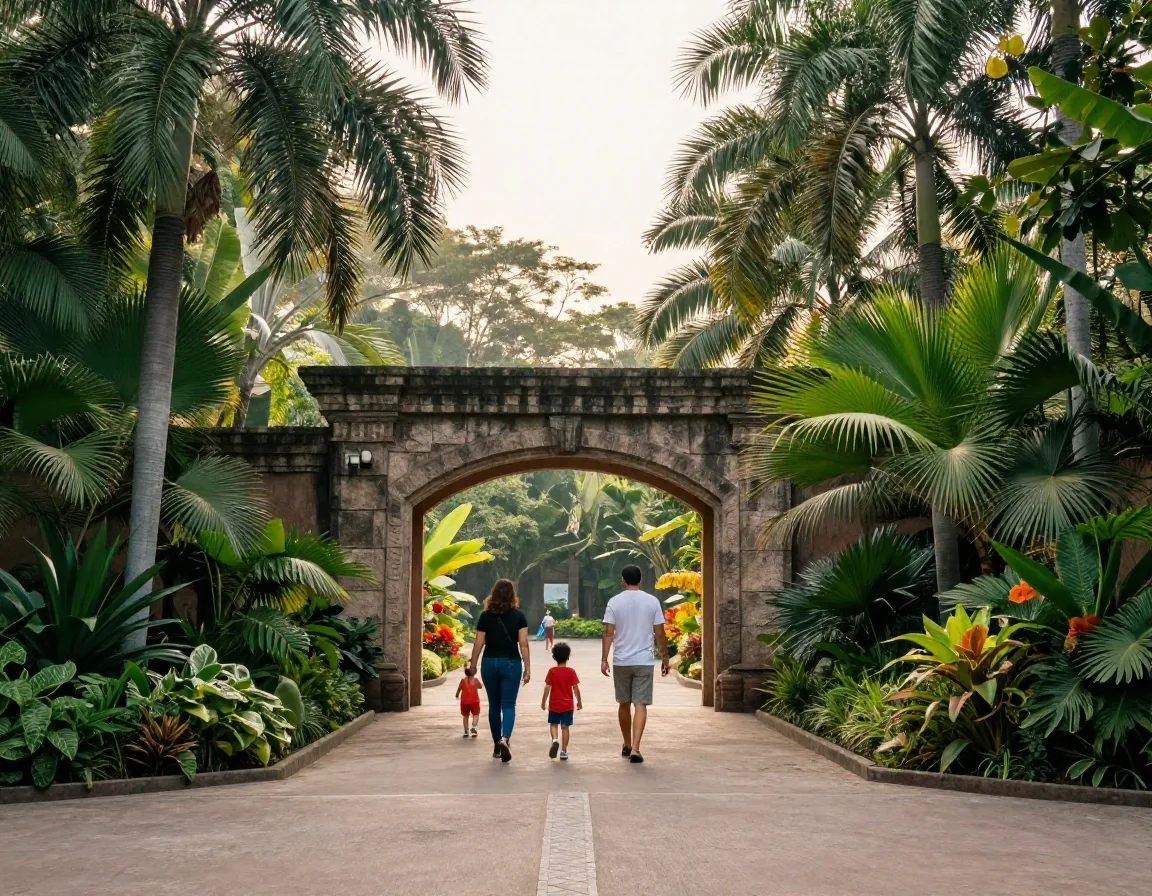
Family checking the map at the zoo entrance

Photo of the map

Upon entering, take a photo of the map and locate restrooms, shade, water fountains, and changing tables. Start with the most popular sector to avoid crowds and leave indoor activities for the hottest hours.

How to choose the moment

When to go

Choose the right day

The day you choose matters more than any trick inside the park. A good date gives you free paths, active animals, and lunch without a line.

Prefer weekdays and opening time

Prefer weekdays if you can, with fewer lines at the ticket office and food courts. In Santiago, spring weekends get crowded from noon, so arriving at opening time gives you two quiet hours. That window is worth gold with kids because they walk faster, see better, and reach popular sectors without pushing.

Check the official calendar for school events and holidays. Some parks receive massive school visits in spring; if you encounter one, reverse the route and start at the end opposite the large group. Arriving early also lets you choose shade for lunch before 1:00 PM.

Arrive early and define a plan

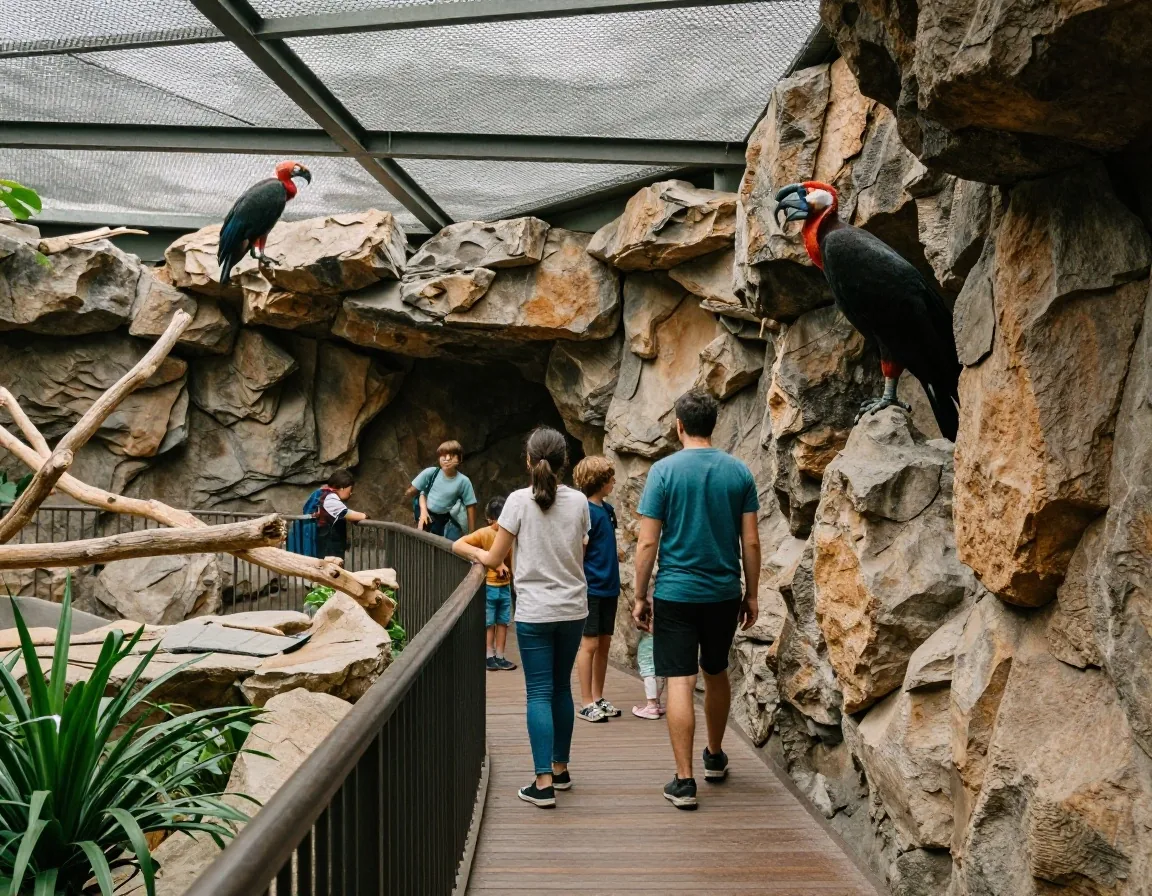
Enter first thing in the morning and take a photo of the entrance map. Mark two must-see sectors and one optional one. Start with the most popular one to avoid crowds and leave indoor activities, like aviaries and aquariums, for the hottest hours. This five-minute mini-plan organizes everything.

Avoid the day after heavy rain in parks with dirt sections, because some paths become slippery. If it rained, prioritize paved circuits and footwear with good grip. Adjust footwear accordingly and bring a dry bag for wet layers.

Condor aviary with basalt perch

High aviaries: good shelter at noon and better light for watching without rushing.

Kids watching the jaguar in a shaded area

Early hours: felines are more active and viewpoints have space for the stroller.

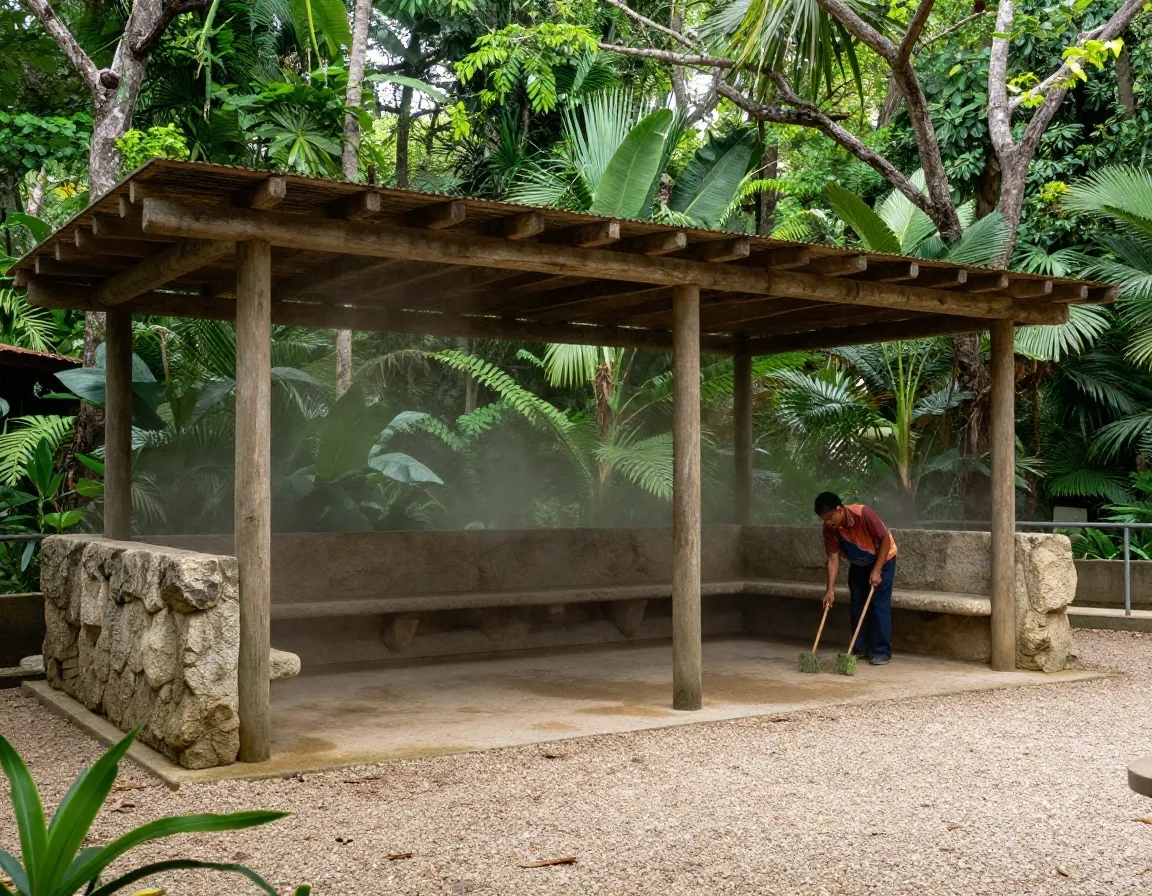
Shaded pavilion with benches to rest

Pavilions with shade and water: the break that prevents a difficult afternoon.

Before leaving

Tickets and seasonal hours

Many parks change hours between summer and winter and adjust the last entry. Some require purchasing zoo tickets online by date on long weekends. Always check the official website the night before and carry receipts offline.

Check

Schedule and last entry

Confirm opening, closing, and last entry times. In winter, it gets dark earlier and several enclosures close for management. Leave 30 minutes before closing to avoid traffic at the exit and on Route 5 South from Buin.

Save screenshots and bring an external battery.

Buy

Tickets by date and groups

If you are going on a long weekend or with a school group from the Metropolitan Region, confirm entry policies and if they require a reservation. Bring clear documents and a list with names to speed up the check.

Check what the ticket includes and what is paid separately.

Backpack

What to pack in your backpack

Enough water, sunscreen, hats, simple snacks, and trash bags. Wear broken-in closed-toe shoes, never brand new ones. A light change of clothes for preschoolers, wet wipes, and small binoculars if you have them: they motivate children.

Weigh your backpack before leaving. A light back makes for a happy afternoon.

What to bring to the zoo without overpacking

Distribute weight among adults. One bottle per person, a light layer, and a bag for souvenirs avoid last-minute purchases. Bring small change for kiosks and set a limit with the children before entering shops.

  • Water and simple snacks to sustain the walk between meals.

  • Sunscreen, hats, and broken-in closed-toe shoes.

  • Small binoculars and a light change of clothes if traveling with preschoolers.

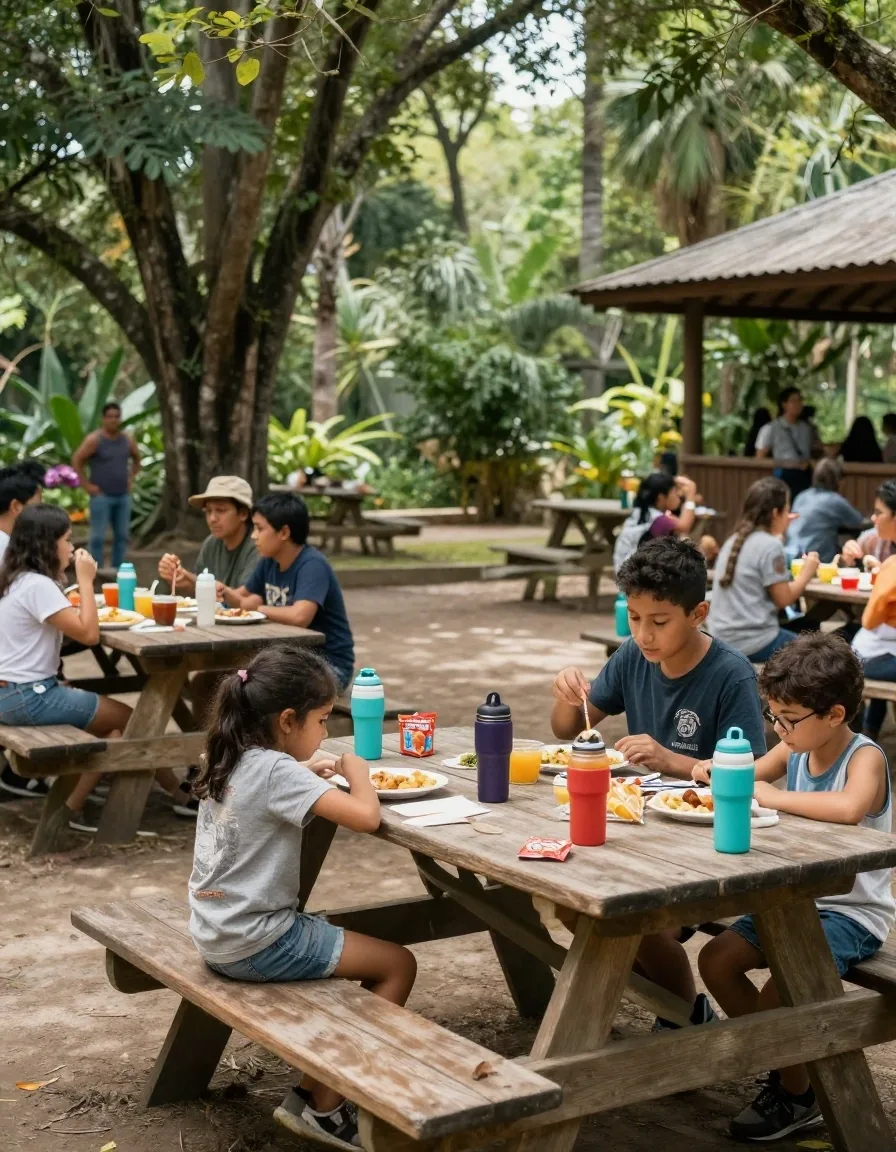
Families having lunch in a shaded picnic area

Daily pace

Food and breaks with children

Plan lunch before 1:00 PM to avoid lines. Alternate 60-minute walking blocks with 15-minute breaks. Look for shade and water fountains on the map. With babies, locate changing tables upon arrival. Don't leave nap time for the end of the tour: a timely break prevents tantrums.

If a child asks to be carried, it's a sign for a break, not a rush. Sit on benches frequently, offer water, and let them watch a quiet enclosure instead of adding more distance. A shorter, well-chosen route beats a long, painful one, especially with a stroller or an elderly person.

60 minutes walk · 15 rest Lunch before 1:00 PM

Stress-free departure

Transport and return

Calculate your return with a margin, especially for Ruta 5 Sur from Buin or the highway from Escobar. Save intercity bus schedules and stop locations before entering, as signal fails in some areas. If driving, take a photo of your parking spot upon arrival.

Agree on a departure time with the whole group and start heading back 30 minutes before closing. A calm return rounds off the day well. Don't leave it to chance: check for traffic jams, fuel levels, and water for the road.

Ask about transfers and access

Tips for visiting the zoo by car or bus

  • Photo of the parking lot and the row where you left the car.

  • Bus schedules noted and return stop located.

  • Departure 30 minutes before closing to avoid crowds.

Zoo trail on a cloudy day

According to the forecast

Weather, shade, and rain

In central summer, wear a hat and look for aviaries and aquariums during peak heat hours. In winter, bring layers and an indoor plan for showers. Check the forecast for the exact municipality, not just the capital.

Some trails get slippery when wet. Adjust your footwear accordingly and save reptiles, nocturnal houses, and indoor rooms for the rain. The weather dictates more than your wishes.

Clear accounts

Budget without surprises

In addition to tickets, consider parking, stroller rentals, food, and souvenirs. Set a limit with the children before entering shops. Bring small change for kiosks. Check what is included and what is paid separately for seasonal shows.

Writing it down avoids arguments. Happy vacations are planned vacations: a piece of paper with a limit per child, snacks from home, and your own water cut costs without cutting enjoyment.

  • Tickets and parking

    Check official website

  • Food and drinks

    Snack + lunch

  • Extras and souvenirs

    Agreed limit

Taking care of everyone

Safety and coexistence

Always follow barriers and do not feed animals. Supervise small hands on walkways and viewpoints. Agree on a meeting point if you get separated. Teach them to ask for help from uniformed staff. Photos without flash where indicated. Respecting rules protects everyone and is also a lesson for children.

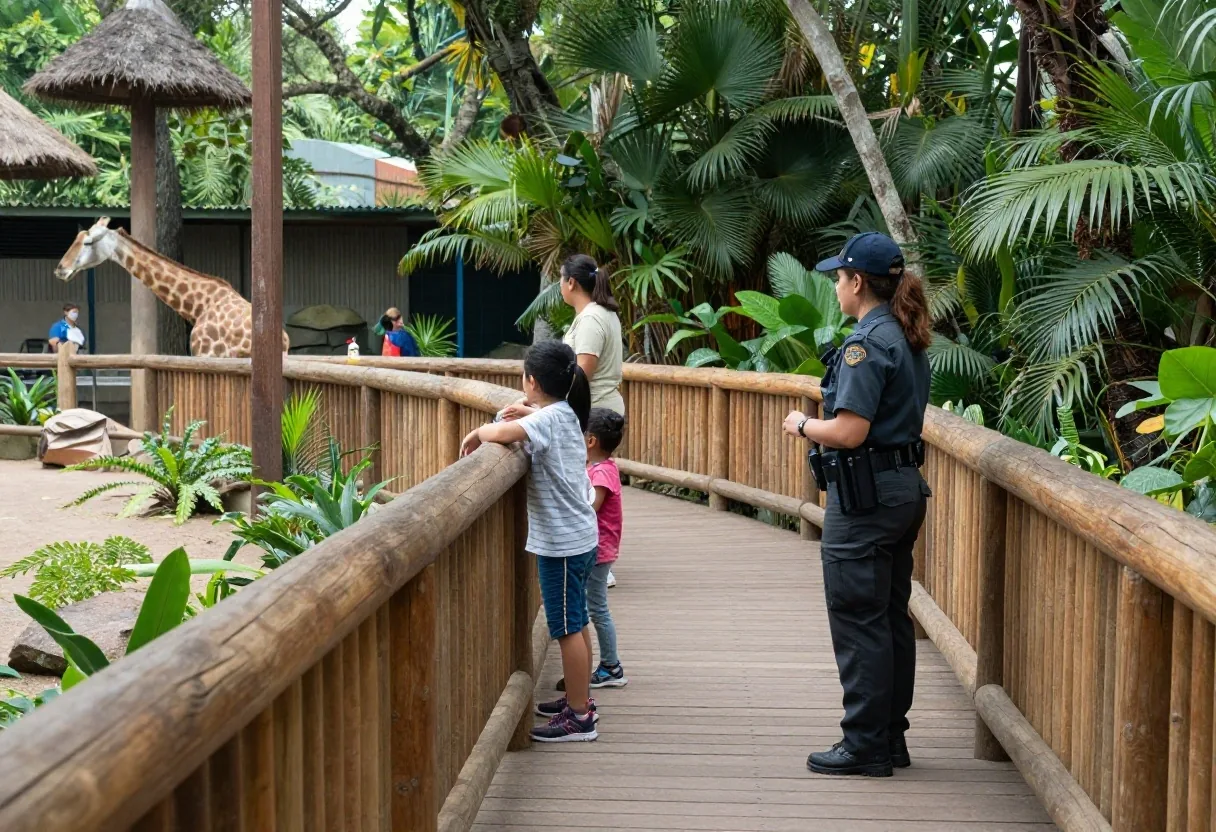
Park staff next to a safety barrier

TheZooscope is an editorial site that compares parks to help you plan. For specific access questions, call the official number of the park you are visiting.

Barriers, food, and viewpoints

Do not cross barriers or offer food even if an animal approaches. On narrow walkways, keep children on the inside and prevent them from climbing railings for photos. If an area indicates silence or no flash, respect it: it protects sensitive species and improves your own observation.

Meeting point and help

Upon arrival, choose an easy-to-find point, such as the main entrance or the food court. Show it to the children and agree to stay put if you get separated. Teach them to look for uniformed staff and to give your name and meeting point.

Accessibility and special needs

If traveling with a wheelchair, stroller, or elderly person, check slopes and distances in the park review. Prioritize short circuits with frequent benches and arrive early to move around without crowds. A shorter, well-chosen route beats a long, painful one. For specific questions, contact the park: Av. General Bernardo O'Higgins 1234, Santiago, or write to [email protected] from Monday to Friday from 09:00 to 18:00.

Tips for visiting the zoo with young children

With babies and preschoolers, locate changing tables and nursing areas upon entering, alternate shade and sun, and protect nap time with a real break on a bench or permitted grass. Bring a change of clothes, wipes, and an extra layer. Fewer enclosures with calm are more productive than trying to see it all.

Keep planning

Trace your route with reviews and field maps

Compare enclosures, check real distances, and choose the park that fits your group. TheZooscope gathers reviews of Buin Zoo, Temaiken, and other parks in South America so you can decide with visit data.

Questions? +56 2 2345 6789 · Monday to Friday 09:00–18:00