Conservation and animal welfare — Southern Atlas
Understand conservation and welfare in zoos
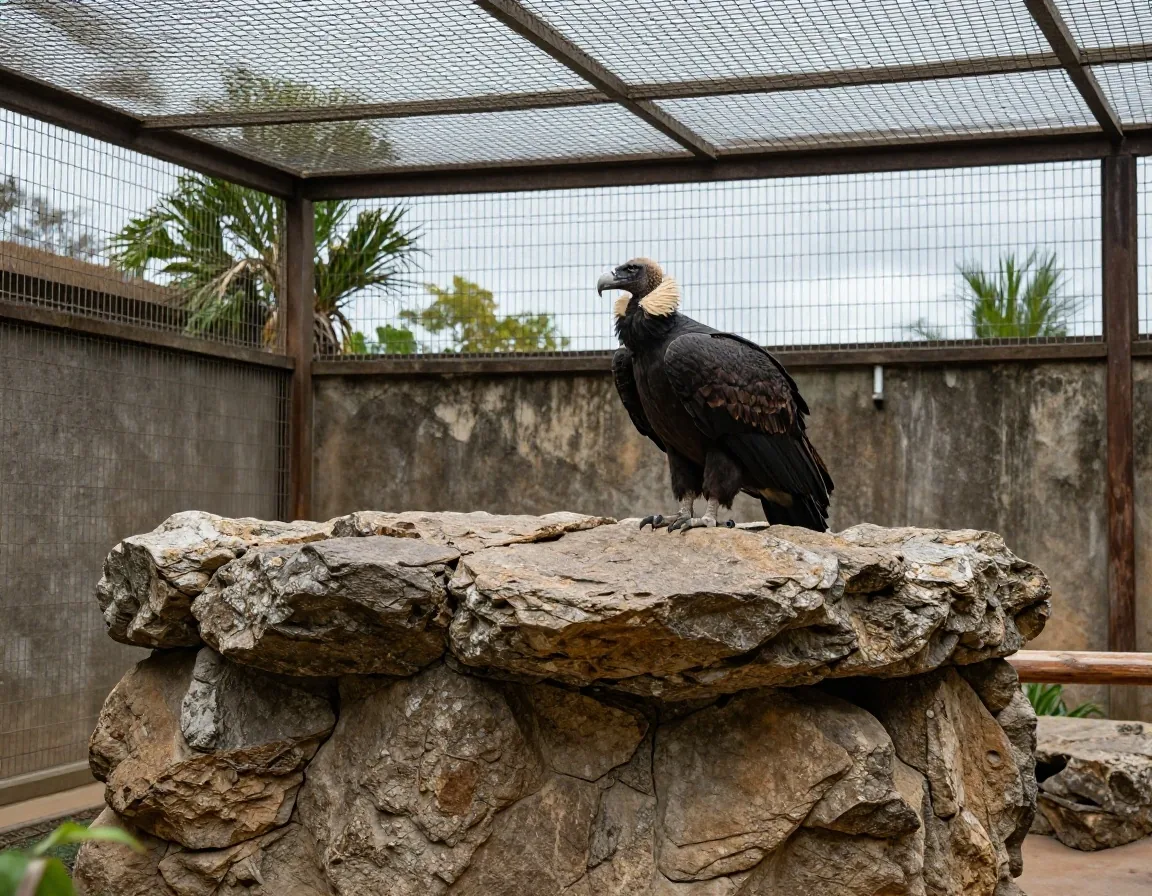
Current zoos claim to work on conservation, but not all show it the same way. This page teaches you how to distinguish concrete signs during your visit in Latin America. What to read on signs, what to ask, and what to observe in enclosures. No technical jargon and no simplistic judgments.
An informed look improves the visit. Here you will learn to recognize projects by name and location, to look at enclosures calmly, and to talk to educational staff. It works in Buin, Temaiken, and São Paulo alike.
Explore, compare, conserve — the living atlas of southern zoos.
Field report · September 2026
Basis for observation
What conservation means in a zoo
Conservation implies projects with a name, location, and species, not general phrases. Look for mentions of native fauna breeding, rescue and release, or support for reserves. If the sign provides dates and partners, it's a good sign. If it only says they care for nature, it lacks concreteness.
In Chile, look for the condor, huemul, or temperate forest amphibians. In Argentina, pay attention to wetlands and the Misiones jungle. Serious parks name the rescue center, university, or public service they work with. Ask about the project of the year: which species they prioritize, in what territory they operate, and how progress is measured.
Species name, work area, and partner organization visible on the sign.
Actions described: breeding, rescue, release, or support for reserves.
Dates and continuity: what happened this year and what comes next.
How we record it
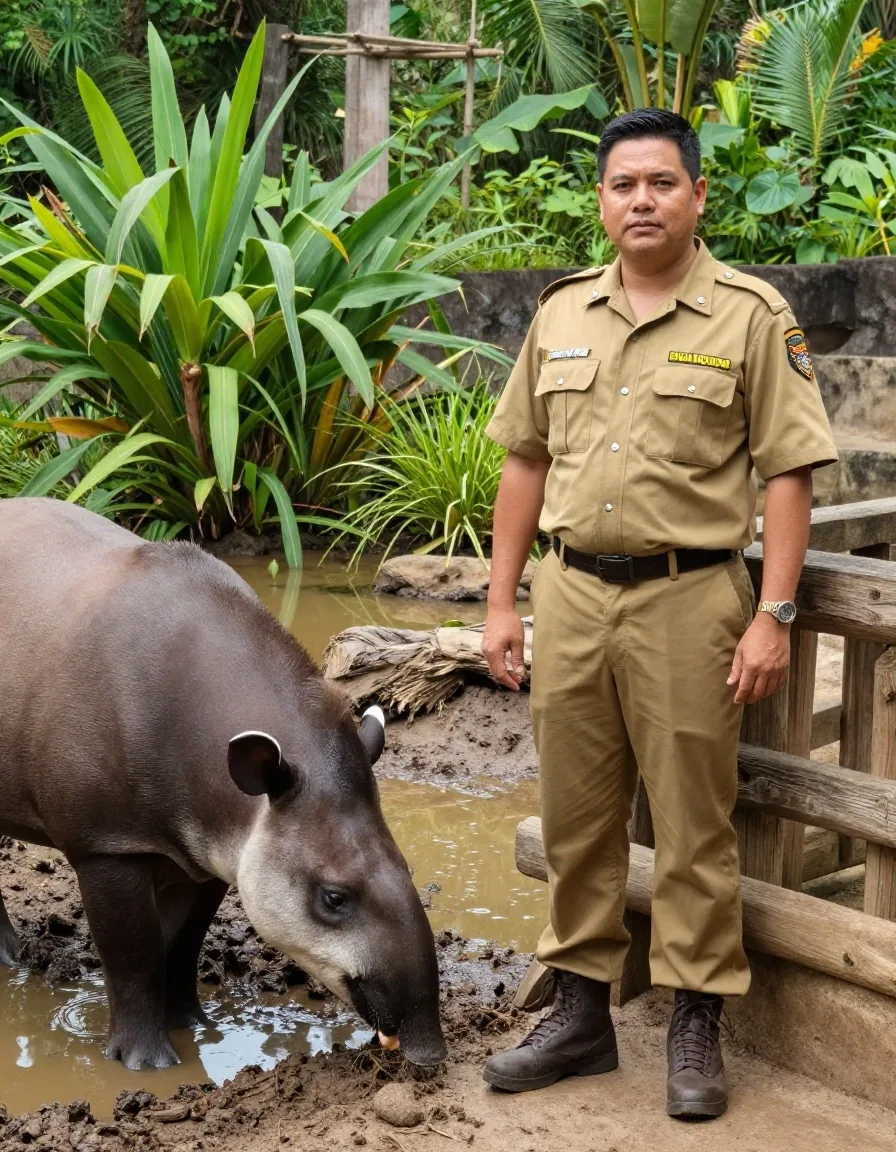
In each TheZooscope review, we copy the name of the project exactly as it appears on the panel, with the date of the visit. If there is no verifiable information, we state it.
See how it appears in reviews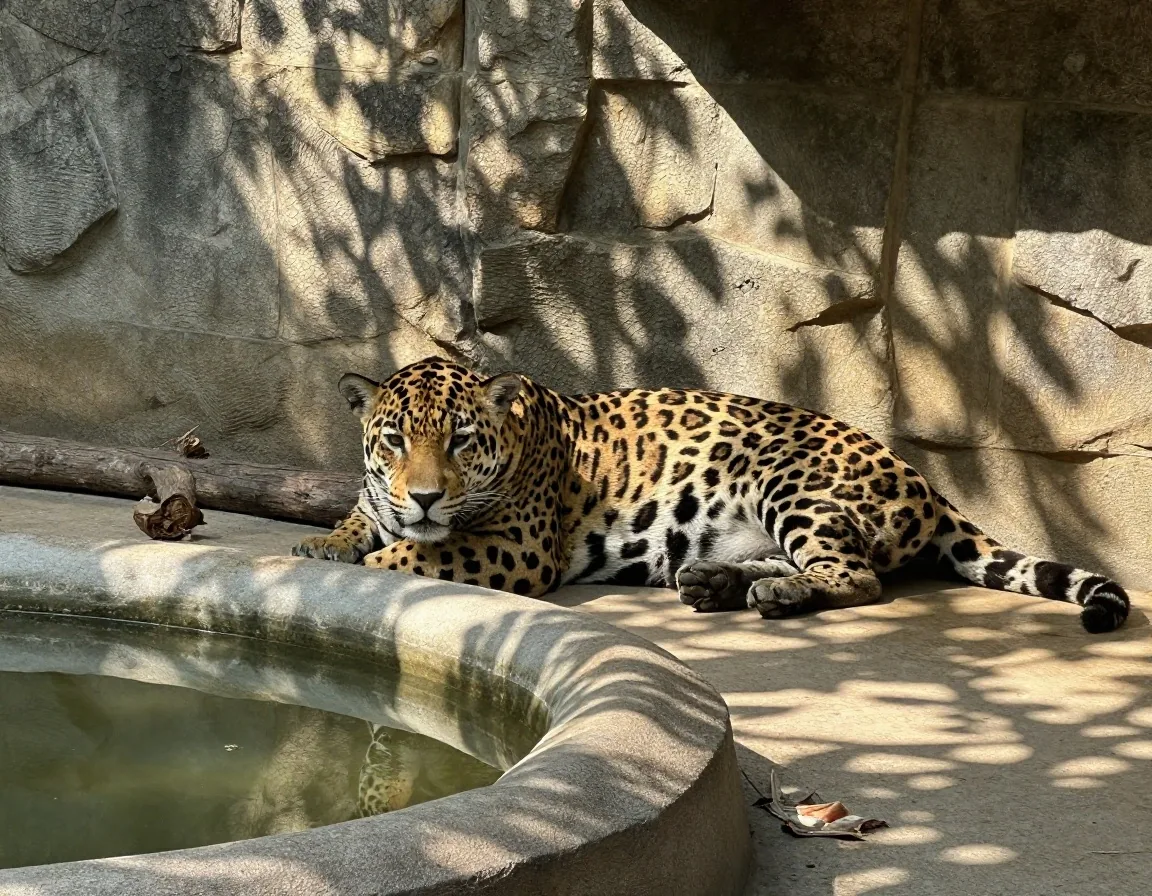
Calm observation
Welfare visible in enclosures
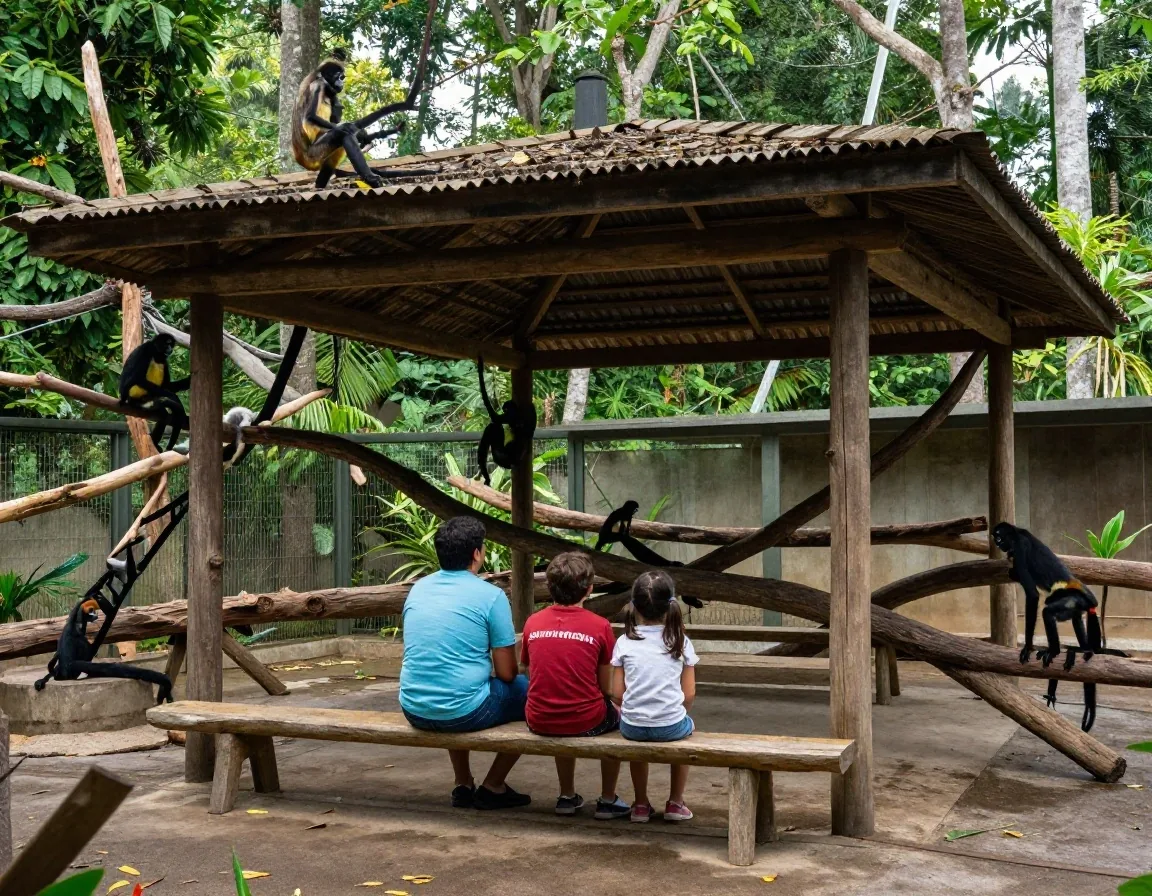
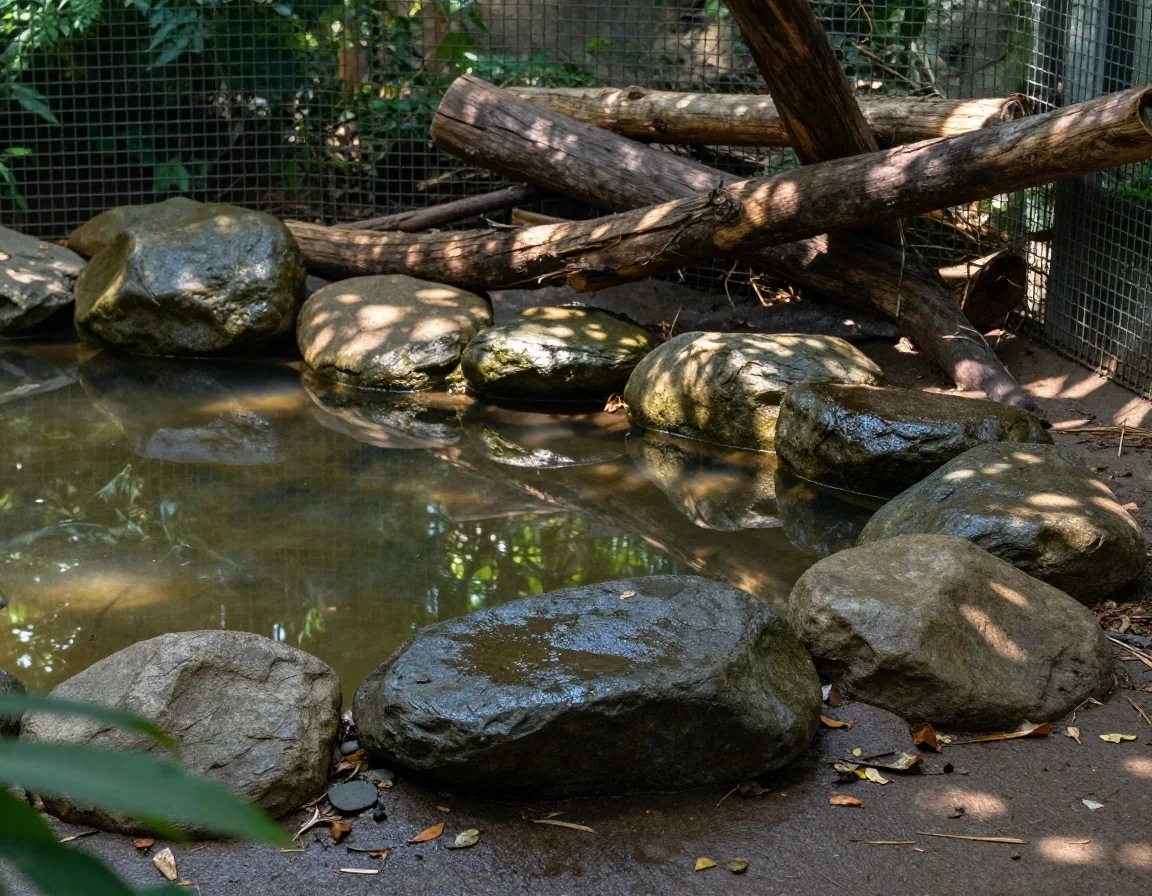
Observe space, shade, clean water, varied substrate, and shelters where the animal can step away. A good enclosure allows choosing between sun and shade.
Look for calm behaviors and enrichment like logs, platforms, or pools. Avoid judging by a single photo. Watch for several minutes and come back later: the context changes with the time, heat, and feeding routine. An animal sleeping at noon may be active first thing in the morning.
Positive sign
Shelter areas and choice: shade, sun, height, and water in sight.
Watch with time
Two visits to the same enclosure, at different times, count more than one photo.
Education and programs that support the visit
Good signage explains habitat, threats, and what the park does. Short talks with fixed schedules usually yield more than long shows.
Education that leaves something behind
One clear idea is worth more than ten facts
Ask the educational staff about the project of the month. Write down one idea to discuss at home. With children, choose a single message: where the animal comes from and what its habitat needs.
Short talks · Panels with habitat and threats
Breeding and rescue
The important stuff is usually out of sight
Many parks participate in breeding endangered species and in rescue centers that are not on display. Look for panels that name centers, universities, or public services.
Lookouts · Guided tours in season
Environmental education
Ask what a visitor can do
Educational teams appreciate concrete questions. Bringing two prepared questions changes the conversation, also with your children. Write down the answer to contrast later.
See family experiencesShade and clean waterProjects with name and dateConcrete questions for staffEnclosures to choose from
Practical reading
How to read signs without being an expert
Read three facts: species and origin, main threat, and park action. If two out of three are missing, the panel is decorative.
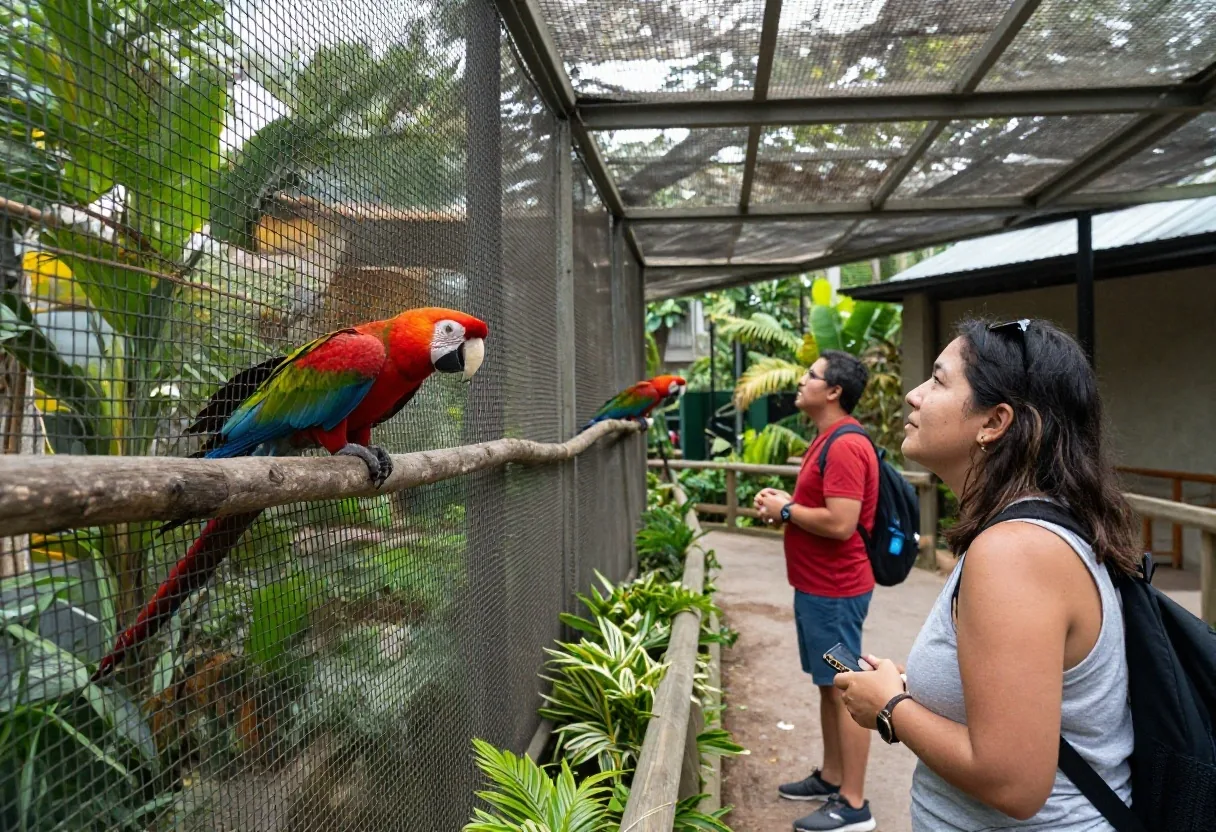
Take a photo of the panels that interest you to review at home. Compare what the sign says with what you see in the enclosure. That comparison trains the eye.
Fact one
Species and origin
Common and scientific name, where it comes from, and what habitat it needs. Without origin, you cannot judge the enclosure.
Fact two
Main threat
Habitat loss, trafficking, pollution, or other specific pressure. The threat explains why the project exists.
Fact three
Park action
What it does here: breeding, rescue, funding, or research, with partners and dates. That distinguishes intention from work.
If you visit Buin Zoo or Temaiken, try this exercise: choose three enclosures, write down the three facts from each sign, and check at home which ones were incomplete. That notebook is worth more than any brochure. In our reviews, we do the same and point out when information was not available: absence also informs.
Useful conversation
Useful questions to ask during your visit
Avoid general questions that invite vague answers. Educational staff appreciate specific questions. Bringing two prepared questions changes the conversation. Try it with your children.
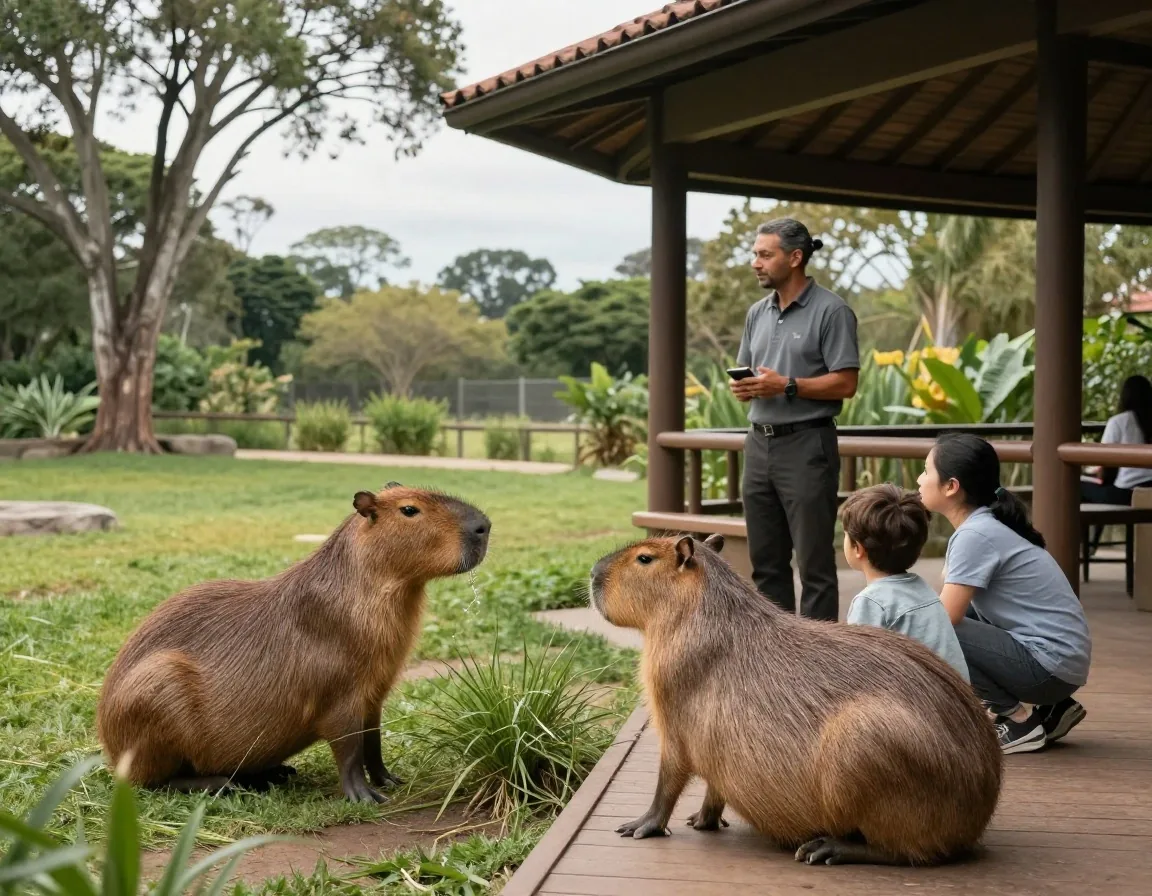
Which native species are you prioritizing this year and why?
It shows you real focus: territory, team, and calendar. If they name a condor, huemul, amphibians, or another species with a project and partner, there is work behind it. If the answer remains about taking care of everyone, ask for an example from this quarter.
How do you collaborate with local rescue?
Ask about the center, university, or service they work with, and if there is a viewpoint or visit to that area. Many centers are not visible for sanitary reasons. A good team explains that limit without beating around the bush.
What can a visitor do to help?
Look for practical answers: respecting barriers, not feeding, keeping noise low, choosing quiet times, or supporting shops whose proceeds go to named projects. Write down the answer to contrast later with the review.
What limits does this enclosure have?
There are species that require huge spaces and specific climates. A responsible park explains those limits and prioritizes suitable species. Be wary of absolute promises. We prefer parks that talk about the difficulties: that honesty is also welfare.
Honest limits and dilemmas
Not everything is ideal. An enclosure can be good for one species and narrow for another. The climate of Santiago is not that of the Misiones jungle or the Amazon. That is why it matters that the park chooses suitable species and explains its decisions.
Be wary of exhibits that make you uncomfortable or phrases that promise everything. When a team says what it is improving and what it has not yet resolved, you can trust the rest more. The review reflects it when we see it.
What you can do as a visitor
Respect barriers, do not feed animals, and keep noise low in indoor areas and aviaries.
Choose quiet times to observe better, early or late in the day.
Support shops and activities whose proceeds go to named projects.
Share specific observations in Contact to improve our files.
Small actions sustain large programs. Your behavior also educates.
Signs
We read panels just as they are on the ground.
Talks
We attend real schedules and activities.
Sources
We cite official sources when they exist.
Quarter
We review files every three months.
Our commitment
How we evaluate it at TheZooscope
In each review, we describe signs, talks, and projects with name and date of visit. We do not assign ethical seals or our own certifications. If a piece of data is not verifiable, we say so. This way you avoid deciding based on slogans.
We are an independent editorial site that helps to compare and plan visits. When a park collaborates with a center or university, we name it. When information is missing, it is recorded as an absence: it also guides your visit.
Next step
Where to keep learning
After this page, read the review of the park you will visit and look for its conservation section. Then check the blog for seasonal news.
If you are preparing a school trip in Santiago, use these questions as an observation guide. Print two or three per group. The visit becomes a living classroom.
Trace your route
Look at your next visit with different eyes
Compare enclosures, check projects with names, and prepare two questions before entering. If something does not add up on the ground, tell us to refine the file.