
Frequently Asked Questions · Zoos in Latin America
Resolve doubtsabout visiting zoos
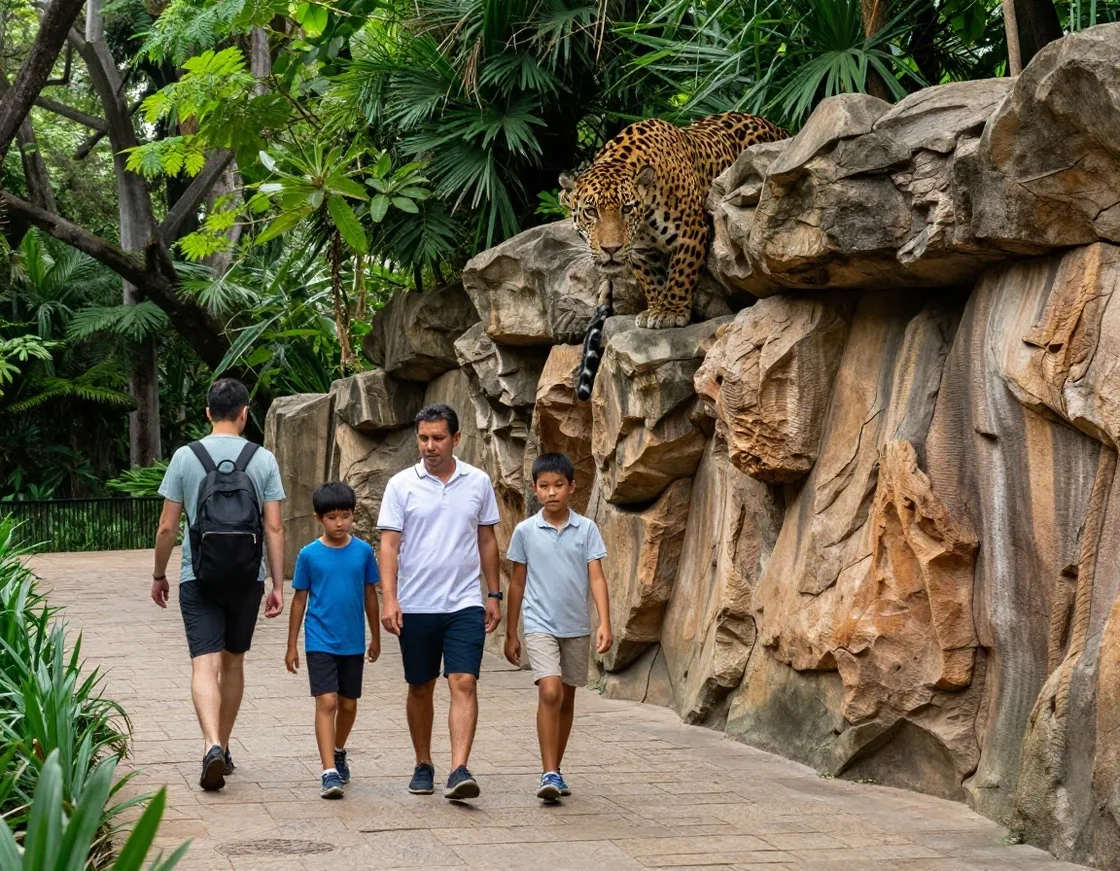
Direct answers to the most common questions: how much is a zoo ticket, hours and last entry, best day to visit, accessibility, and visits with children. For details by park, open the corresponding review.
Exact values are always confirmed on the official channel.
Before you go · Check the official site the night before
The first thing everyone asks
Tickets, hours, and best time
Three answers that define your day. Read these and the rest of the plan will fall into place.
Ticket office
Tickets and prices
Prices vary by season, age, and day of the week. Many parks charge differently for children and seniors, and on long weekends they require purchase by date.
Check the official site the night before, save the receipt on your phone, and bring ID if you use a discounted rate. TheZooscope does not sell tickets. It only provides guidance for comparison.
Always buy through the park's official channel.
Park clock
Hours and last entry
Most open in the morning and close between 5 and 6 PM, with last entry one hour before. In winter, hours are shortened and on holidays they change without long notice.
Arriving at opening gives you two quiet hours for felines and primates. Don't arrive near closing: you won't finish the full tour.
Verify holiday changes on the same day.
Calendar
Best day and time to go
Weekdays are quieter than weekends. In the morning there is more animal activity and less heat. Avoid midday in summer in the central zone.
If you can only go on a Saturday, arrive at opening and mark two priority sectors. The rest is decided on the route, without rushing.
Weekday morning: fewer crowds, more movement.
Calculate your day
How long the visit lasts
Compact parks like Buin take 3 to 5 hours at a good pace. Large bioparks like Temaiken require 6 to 7 hours with breaks. Add time for food, bathrooms, and shade if you are going with children.
Cutting the plan is valid. Better to leave happy than exhausted. Check the estimated times in each review and leave a wildcard sector for the next visit.
Practical rule
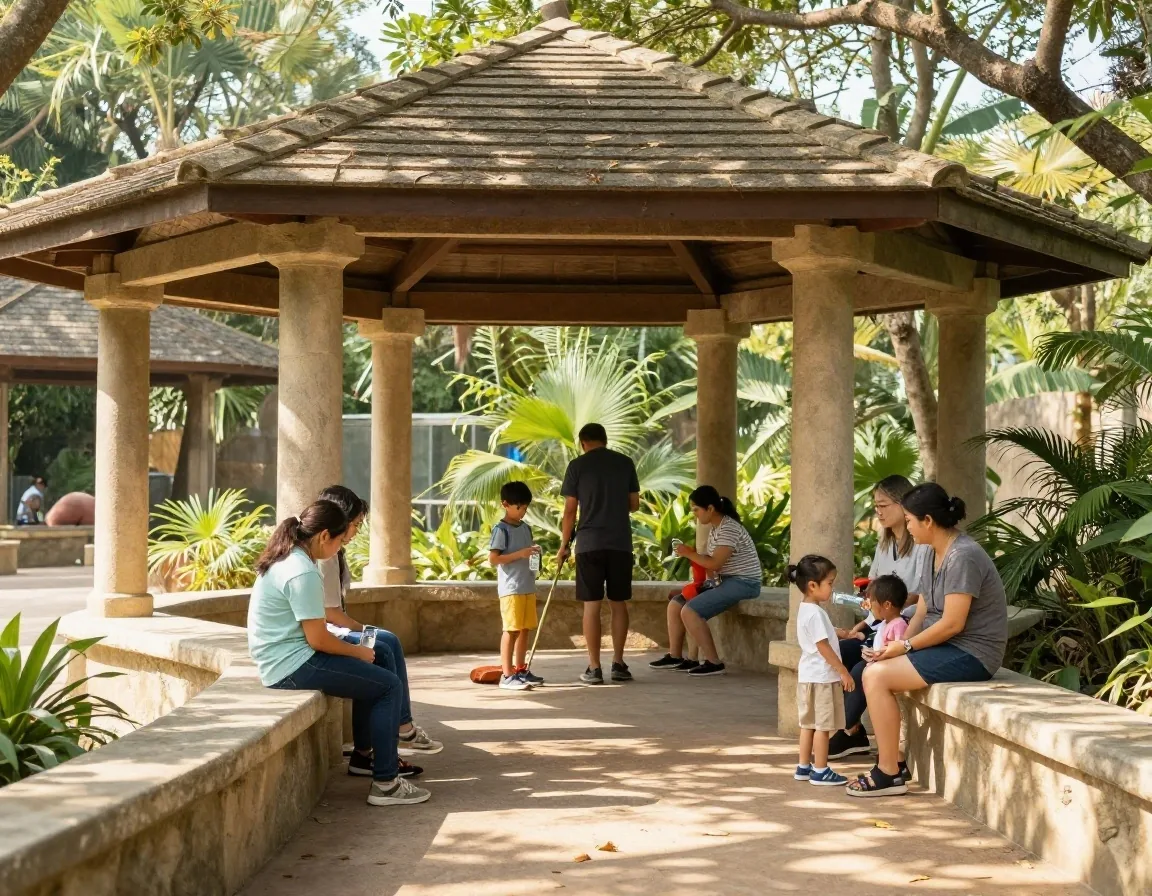
Two priority sectors + lunch break before 1 PM. The rest, if your body allows it.
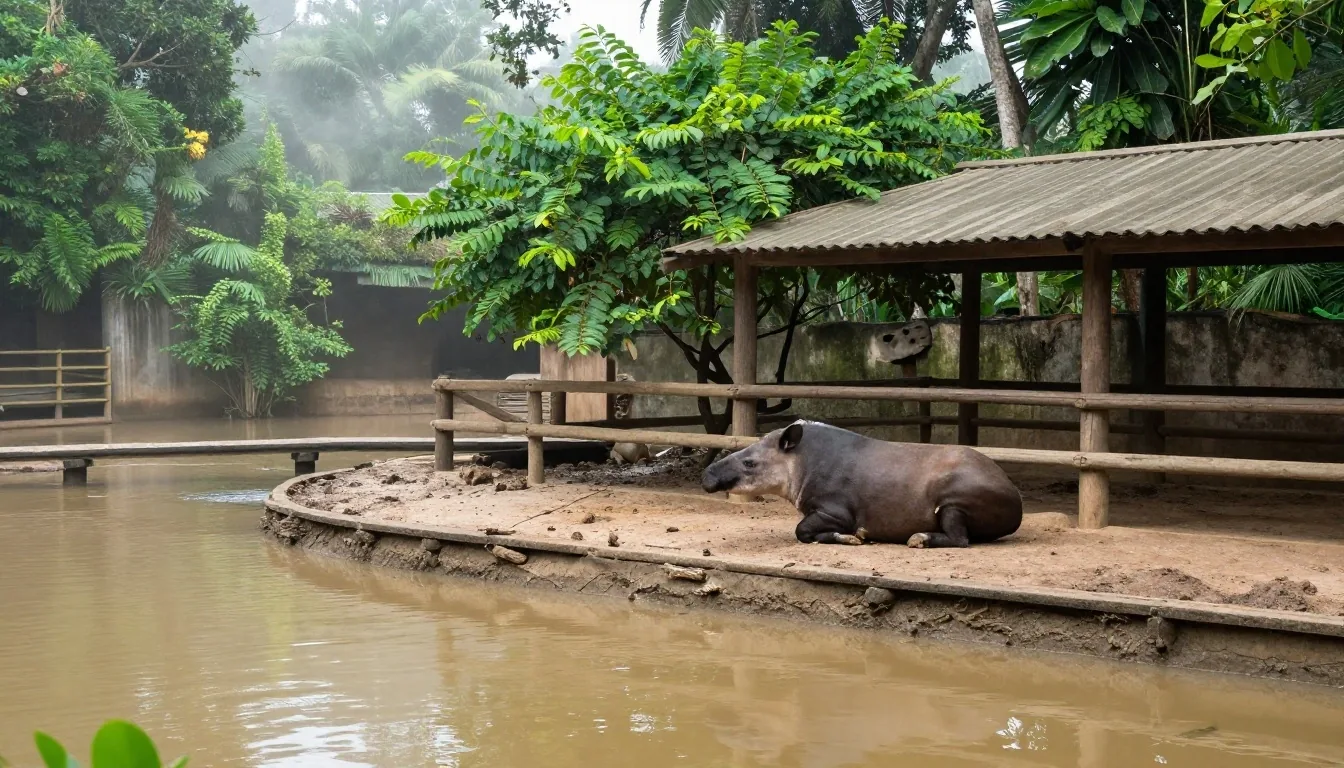
Photo: riverside edge with a low walkway. Large bioparks require more walking and more breaks.
Families
Going with children and strollers
Most parks allow strollers and some rent them at the ticket office. Bring water, a simple snack, and a change of clothes for preschoolers. Upon arrival, locate changing tables, shade, and water fountains.
- Plan a nap in between in an area with benches.
- Choose a short circuit. A well-chosen short route is more productive.
- Read the planning guide before leaving home.
Mobility
Accessibility and reduced mobility
There are wide circuits, but with long stretches and gentle slopes that are tiring. Arrive early to park nearby and move around without crowds. At the ticket office, ask for short routes and shortcuts with shade.
Wear comfortable footwear and schedule breaks every hour. Each review notes verified limitations. For specific questions, contact the park directly before going.
See experiences for familiesOn-site
Food, water, and what to bring
Bring water and a simple snack, as well as sunscreen and a hat. There are food courts and water fountains in central points, but they get crowded at noon. Eat lunch before 1:00 PM to avoid lines.
Check if the park allows food to be brought in and adjust according to the local weather forecast. Less weight makes for a better day: a light backpack changes the day.
In the backpack
Water, fruit, hat, sunscreen, and a light layer if the south warns of rain.
For lunch
Central food courts and kiosks. Early on, there are tables and shade without waiting.
If you go with children
Change of clothes, wipes, and something to snack on between long enclosures.
Photography and rules
Respect barriers, do not use flash where indicated, and do not feed the animals. Supervise children on walkways, agree on a meeting point, and follow staff instructions. These are simple rules that protect everyone and serve as a family lesson.
Field note
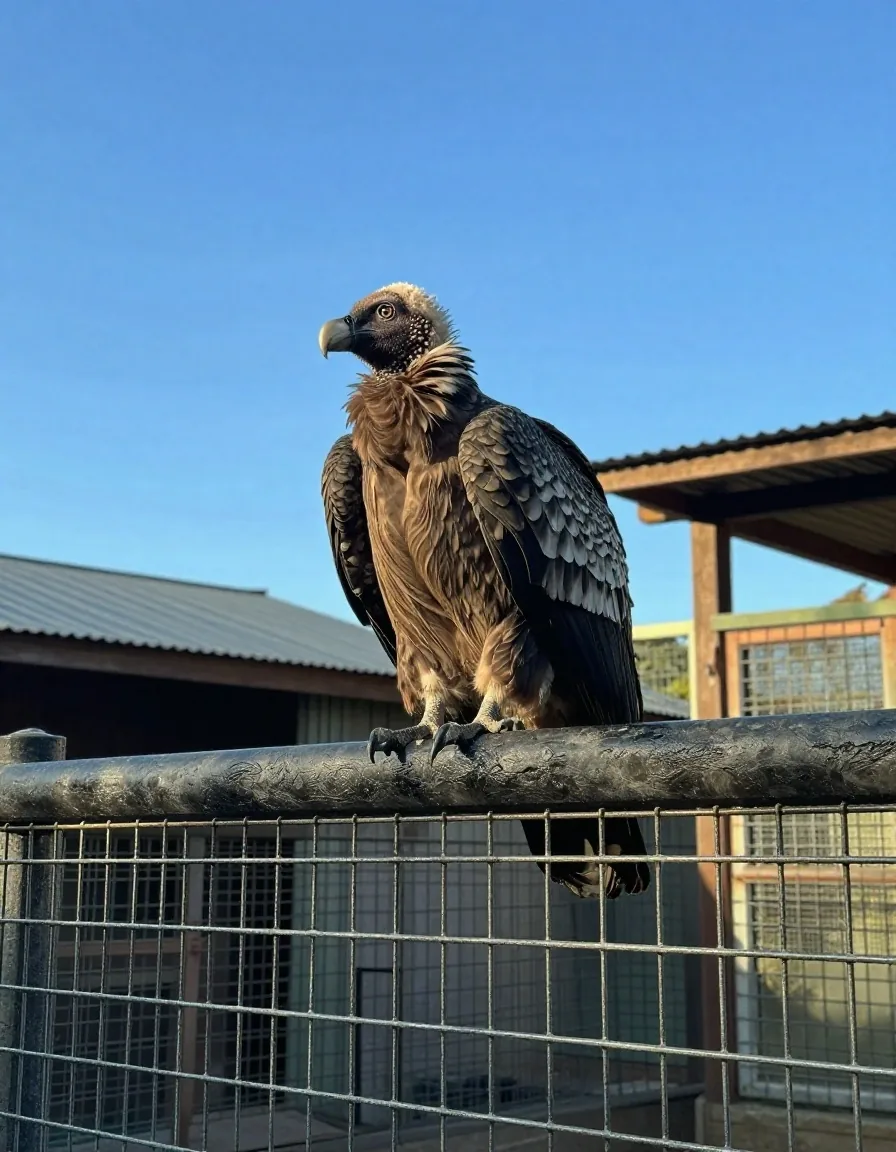
No flash near glass and mesh. The photo turns out better and the animal remains calm.
Why these rules matterShort answers
Frequently asked questions about zoos
The essentials in four answers. If you need more detail, open the park review or write to us.
Clear notice:we are an independent editorial guide. We do not sell tickets or book visits.
How much does a zoo ticket cost?
It varies by park, season, and age. Check the zoo's official website for the current price on the day of your visit and check if there is a discounted rate for children and seniors.
What is the best day to visit?
Weekdays in the morning, with fewer people and more activity. If you go on a weekend, arrive at opening time and start with the two sectors that matter most to you.
Can I bring a stroller?
Yes, they are generally allowed and some parks rent them. Check the park review for distances and slopes, and prefer short circuits if you are going with preschoolers.
Do you sell tickets at TheZooscope?
No. We are an independent editorial guide. Always buy through each park's official channel and keep your receipt until the end of your visit.
Next step
Plot your route with the atlas
Compare enclosures by welfare and real times, and leave with a short plan that actually gets done. We are at Av. General Bernardo O'Higgins 1234, Santiago, Monday to Friday from 09:00 to 18:00.